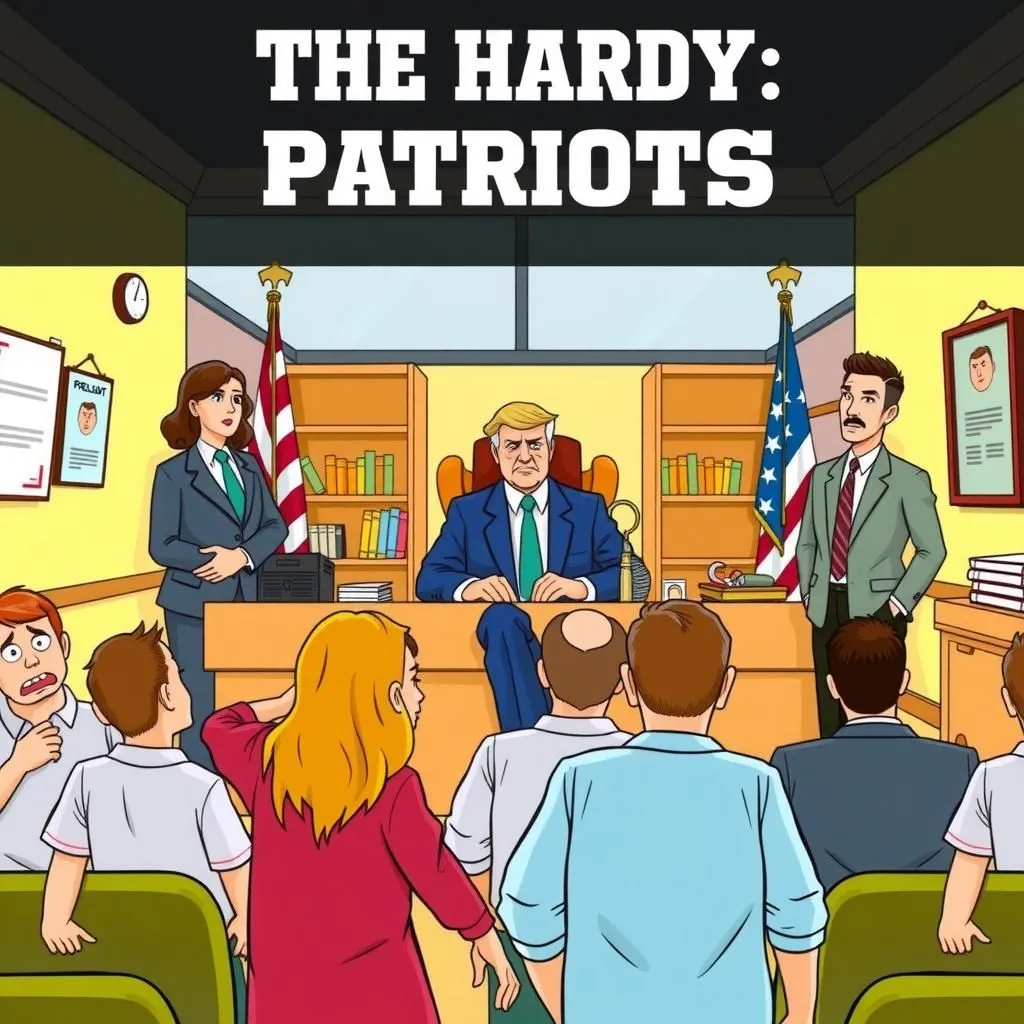
In "The Hardy Patriots," a Dispenser-Elect's dismissive attitude toward applicants for government positions highlights the harsh realities of survival, emphasizing the moral that endurance can be tested in unexpected ways. A concerned Lawyer warns him that many may not survive the wait without work, risking legal consequences for the official, yet the Dispenser-Elect believes that hunger is more bearable than the toil of labor. This engaging moral tale serves as a reminder of the importance of compassion and responsibility in leadership, making it one of the best moral stories for students.
The story illustrates that in times of desperation, people may prefer the hardship of work over the suffering of hunger, highlighting the resilience of the human spirit in the face of adversity.
This story reflects the satirical tone of early 19th-century American literature, particularly in its critique of political patronage and bureaucratic inefficiency. It echoes themes found in works by writers such as Mark Twain and Ambrose Bierce, who often highlighted the absurdities of societal norms and government practices through humor and irony. The dialogue underscores the precarious balance between ambition and survival, serving as a commentary on the socio-political climate of the time, where the struggles of the common people often went unnoticed by those in power.
This story highlights the often harsh realities of bureaucracy and the disconnect between those in power and the struggles of ordinary people; in modern life, it serves as a reminder of the importance of empathy and timely action in leadership. For instance, a company executive delaying hiring decisions while waiting for budget approval may inadvertently push desperate applicants to take lower-paying jobs, illustrating a failure to recognize the immediate needs of individuals relying on timely employment for survival.

In "The Tyrant Frog," a clever fable with a moral, a snake being swallowed by a frog pleads for help from a passing naturalist, who misinterprets the situation as a simple dining scenario. The naturalist, more focused on acquiring a snakeskin for his collection, highlights the importance of understanding context before jumping to conclusions. This easy small story serves as a valuable lesson in awareness and perspective, making it a fitting addition to short story collections with moral themes for personal growth.

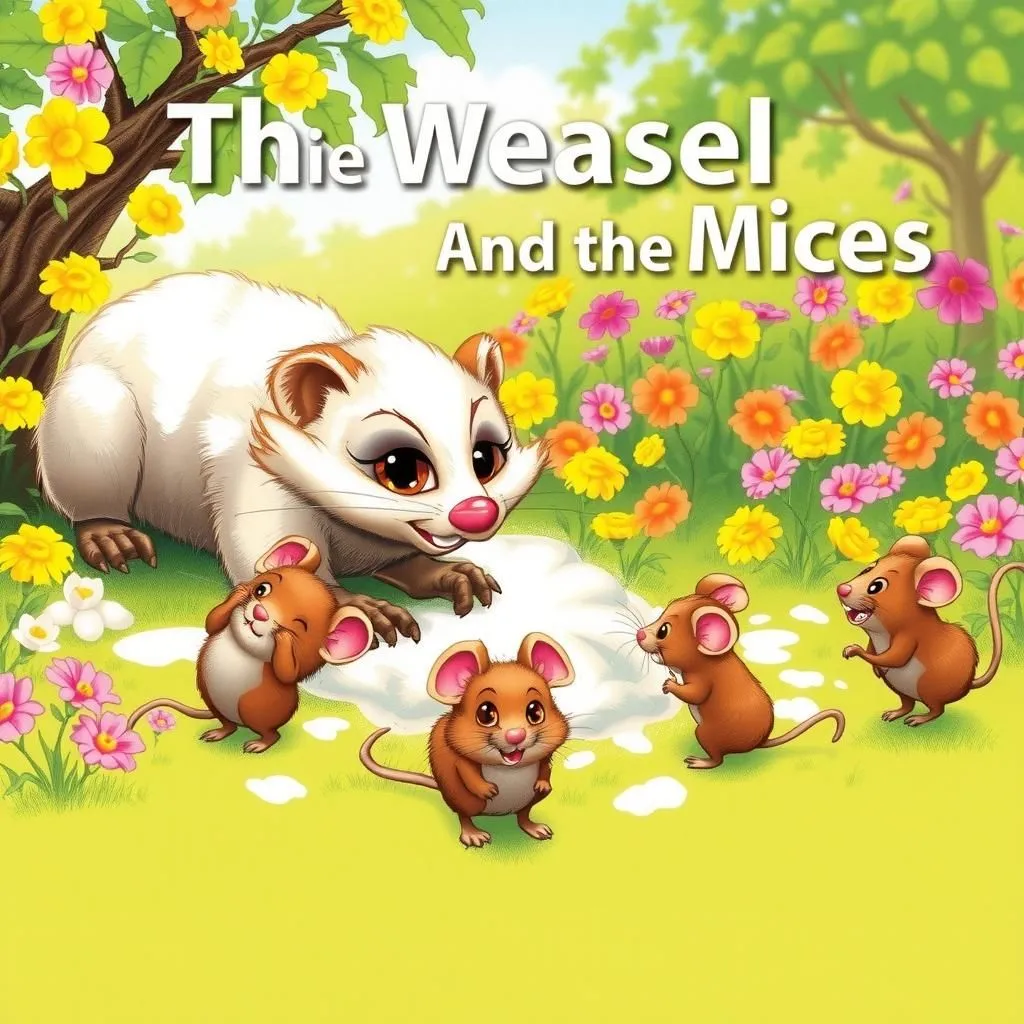
In this simple short story with moral lessons, an old weasel, unable to catch mice due to his age, disguises himself in flour to deceive unsuspecting prey. As several mice fall victim to his trap, an experienced mouse recognizes the ruse and warns others, wishing that the weasel's deceit is matched by his own success. This meaningful story illustrates the consequences of trickery and the wisdom of those who have survived many dangers.

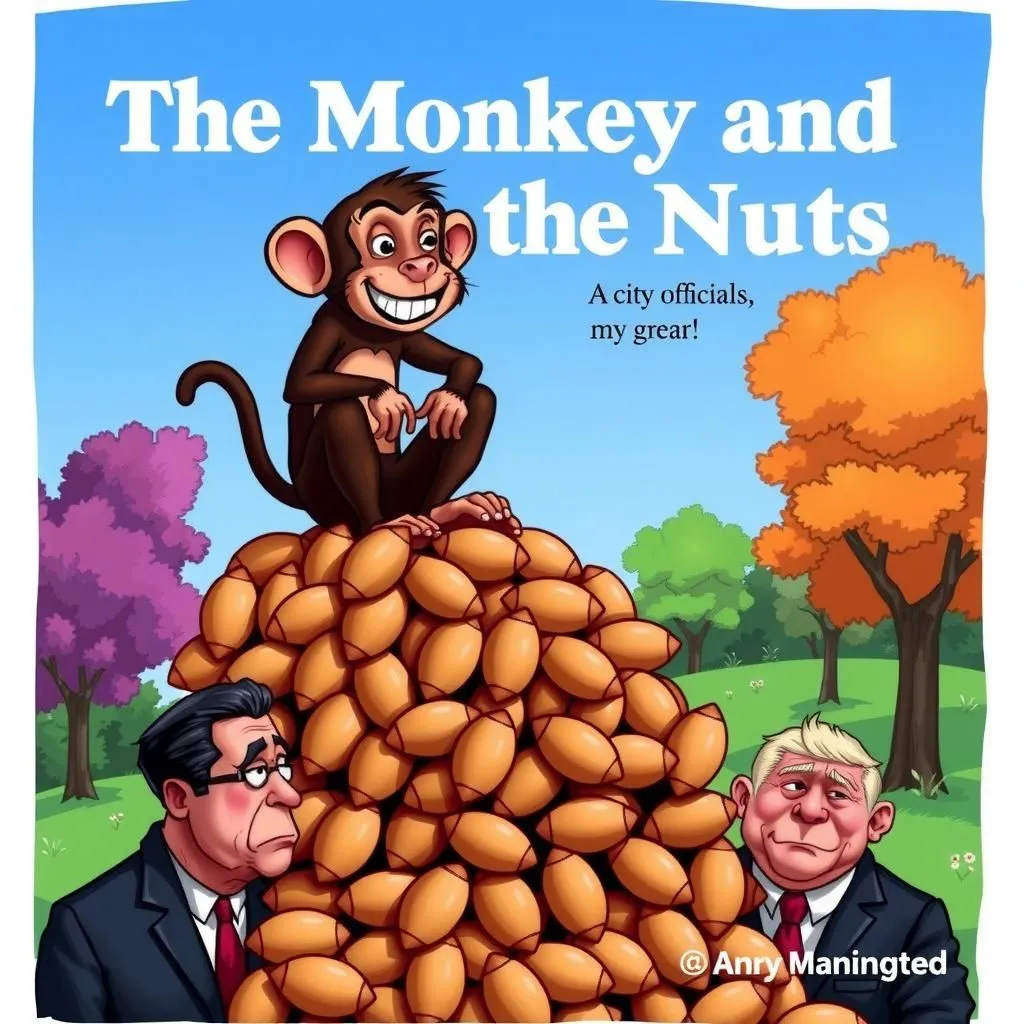
In "The Monkey and the Nuts," a certain city seeks to purchase land for a public deformatory but becomes entangled in greed as officials continually request more funds from the government. Their relentless demands lead to frustration, prompting the government to withdraw support entirely, leaving the officials empty-handed. This timeless moral story serves as an inspirational reminder of the consequences of greed and the limits of generosity, illustrating important lessons from moral stories that resonate across cultures.
Enduring Patriots, Hunger and Honor, The Waiting Patriots, Resilient Resolve, The Patriot's Struggle, Endurance of the Brave, Hunger's Test, The Dispenser's Dilemma
This story highlights the absurdity of political patronage and the disconnect between those in power and the struggles of ordinary people, illustrating how the pursuit of office can lead to indifference toward the basic needs of others. The exchange between the Dispenser-Elect and the Lawyer underscores the dark humor in the bureaucratic process, where the desperation of applicants is met with a cavalier attitude.
Get a new moral story in your inbox every day.