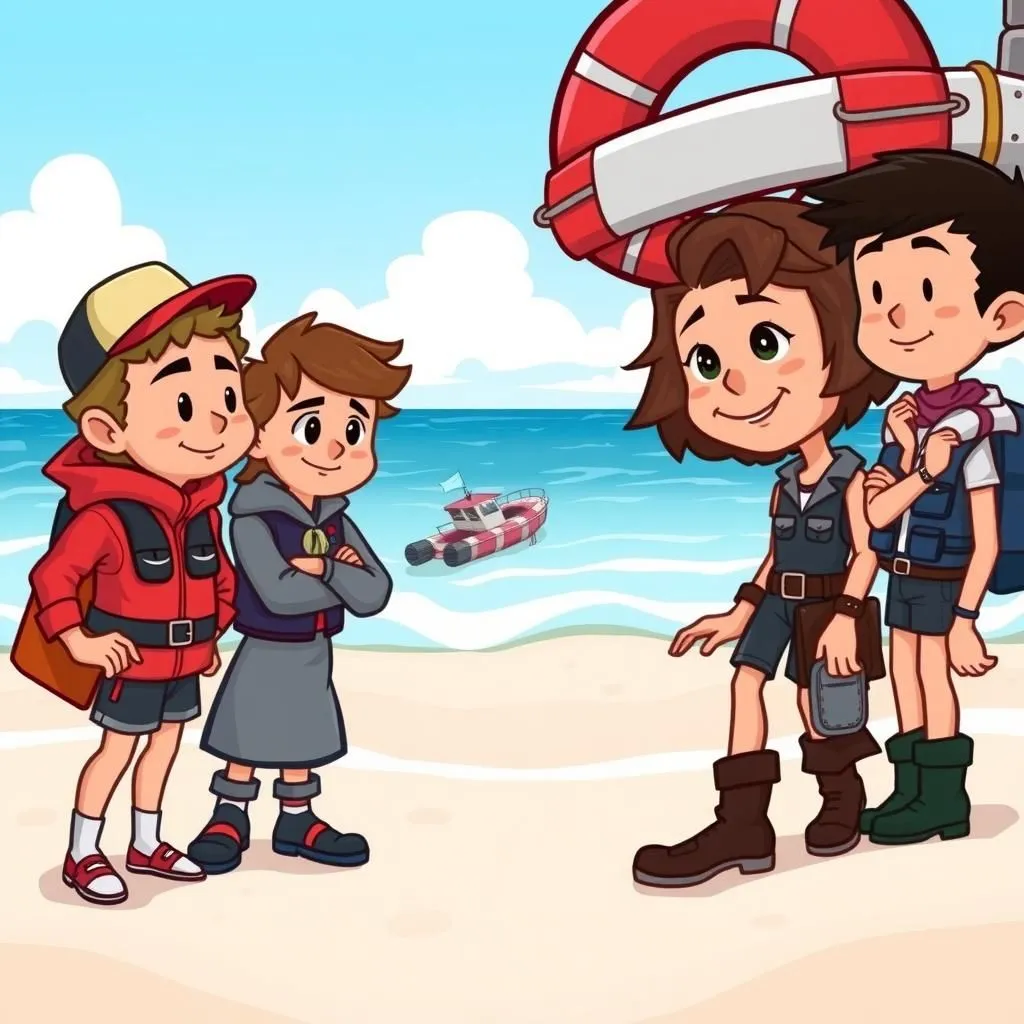
In this uplifting moral story, the Gallant Crew at a life-saving station nearly launched their life-boat for a leisurely outing when they spotted a capsized vessel with twelve men clinging for dear life. Recognizing the potential disaster they narrowly avoided, they wisely decided to return the life-boat to its house, ensuring their continued service to their country and highlighting the simple lesson that sometimes, saving oneself can lead to greater good. This heartwarming tale serves as a reminder of the importance of self-preservation for the sake of helping others in need.
The moral of the story is that recognizing one's own fortune and the potential dangers of inaction can lead to greater service and responsibility to others.
The story of "The Gallant Crew" reflects themes of heroism and duty often found in maritime folklore, particularly in the context of life-saving stations that became prominent in the 19th century along coastlines to aid distressed sailors. This narrative echoes the historical tradition of lifeboat crews, such as those from the Royal National Lifeboat Institution (RNLI) in the UK, which has inspired numerous retellings emphasizing courage, camaraderie, and the moral responsibility of saving lives at sea. The tale serves as an allegory for the importance of community service and vigilance, resonating with cultural values surrounding sacrifice and collective welfare.
The story of the Gallant Crew highlights the moral imperative of prioritizing self-preservation and collective responsibility over reckless heroism. In modern life, this can be seen in scenarios such as a firefighter choosing to wait for backup before entering a burning building, recognizing that their safety is crucial for effectively saving others.

In the folklore tale "The Fawn and His Mother," a young fawn questions why his larger and faster mother is afraid of hounds. She explains that despite her advantages, the mere sound of a dog terrifies her, highlighting the lesson that courage cannot be instilled in the inherently timid. This thought-provoking moral story serves as a quick read, reminding us that bravery is not solely determined by physical attributes.

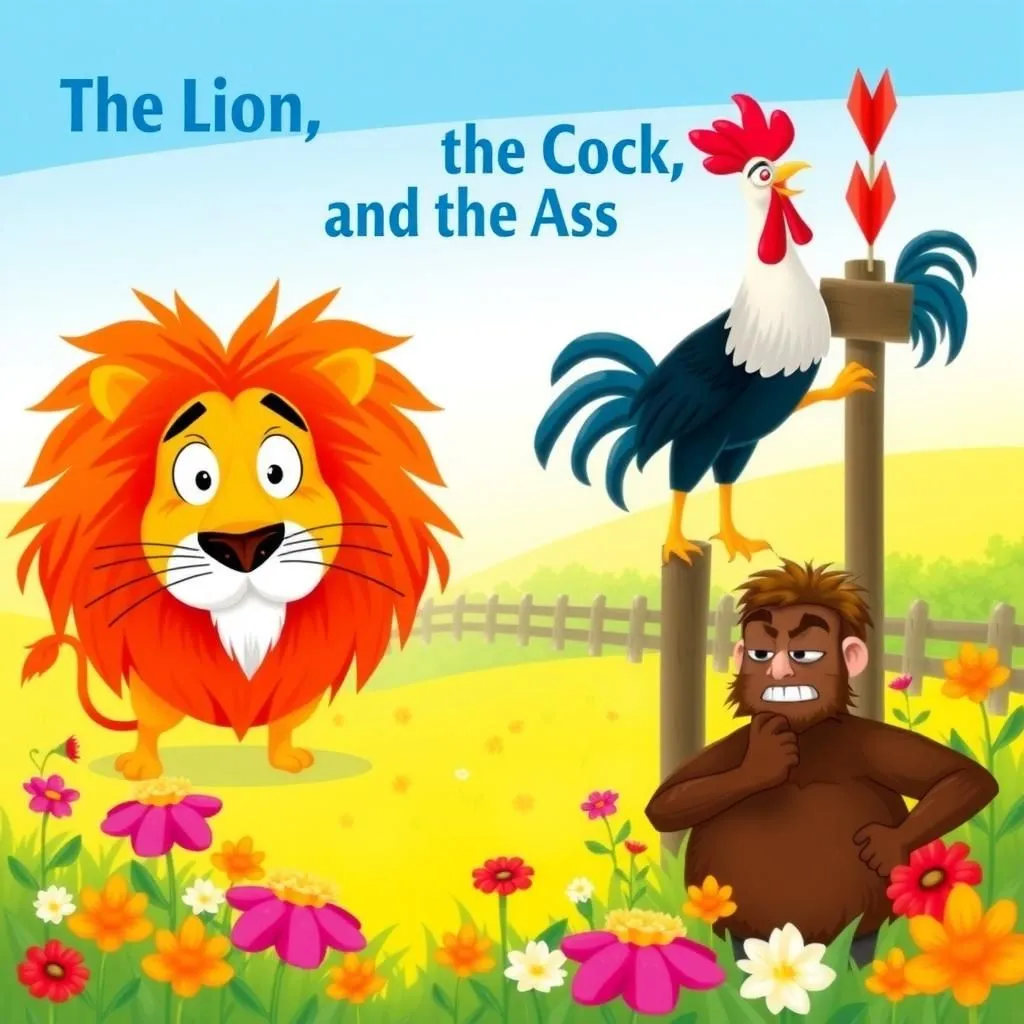
In "The Lion, the Cock, and the Ass," a Lion is startled away from attacking an Ass by the proud crowing of a Cock, who claims his voice instills fear in the mighty beast. The Ass, however, humorously questions the Lion's peculiar fear of the Cock while disregarding the braying of the Ass, highlighting the thought-provoking moral that true strength lies not in appearances but in the wisdom to discern simple lessons from stories. This timeless tale serves as one of many moral stories for kids, encouraging them to reflect on the nature of fear and bravado.

In "The Man of Principle," a Keeper at a zoological garden encounters a stubborn man seeking shelter from the rain beneath an ostrich, despite the imminent danger it poses. The man, embodying the essence of a moral story, insists on staying until the ostrich kicks him out, having already swallowed his umbrella, illustrating the folly of rigid principles over practical safety. This engaging moral tale serves as a simple short story with a profound lesson on the importance of adaptability in the face of risk.
"Brave Rescuers at Sea, Lifeboat Heroes, Saving Lives on the Coast, Gallant Lifeboat Crew, Coastline Rescue Mission, The Lifesaving Team, Maritime Heroes Unite, The Call of the Lifeboat"
This story highlights the theme of duty and selflessness, illustrating how the Gallant Crew recognizes the importance of prioritizing the safety of others over their own desires, ultimately reinforcing the idea that true heroism often involves sacrifice and vigilance.
Get a new moral story in your inbox every day.