Story Summary
Explore the epic legend of Kublai Khan, the Mongol leader who conquered China and founded the Yuan Dynasty, bridging the gap between East and West in history.
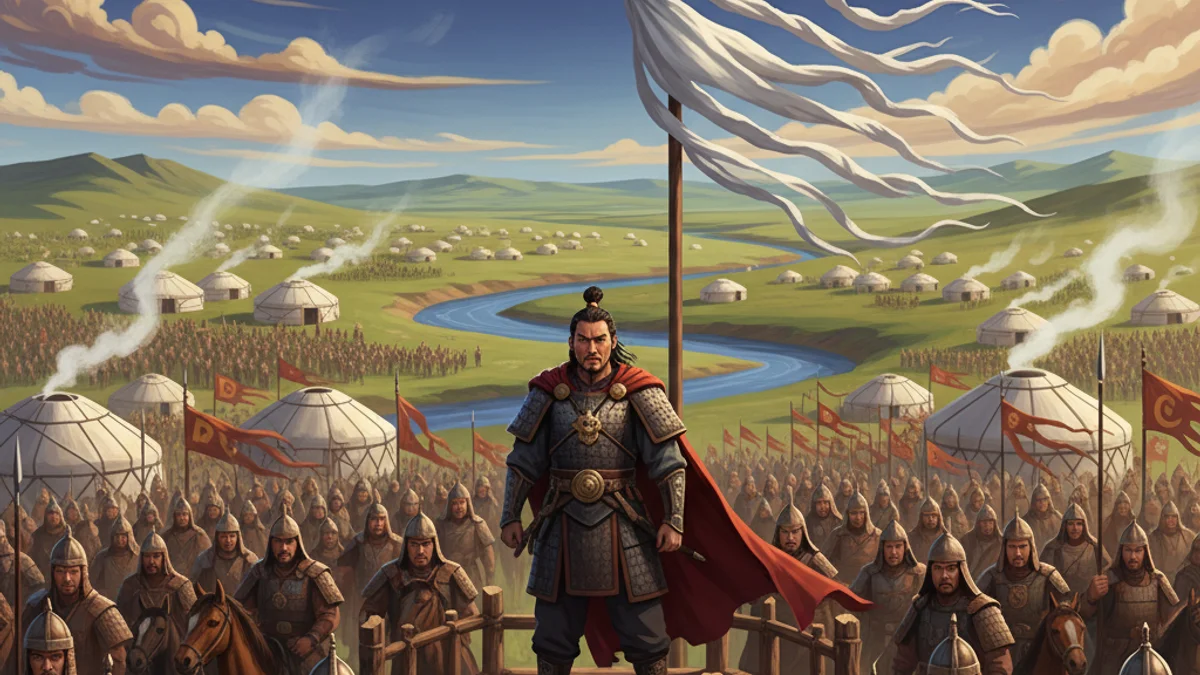
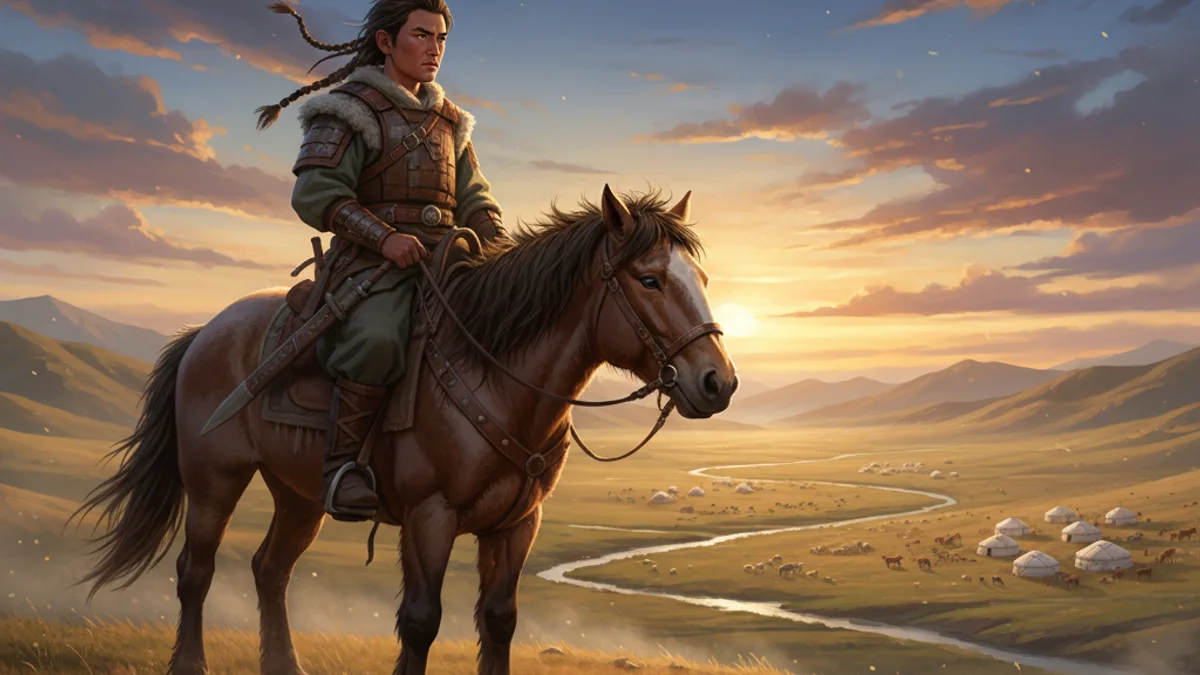
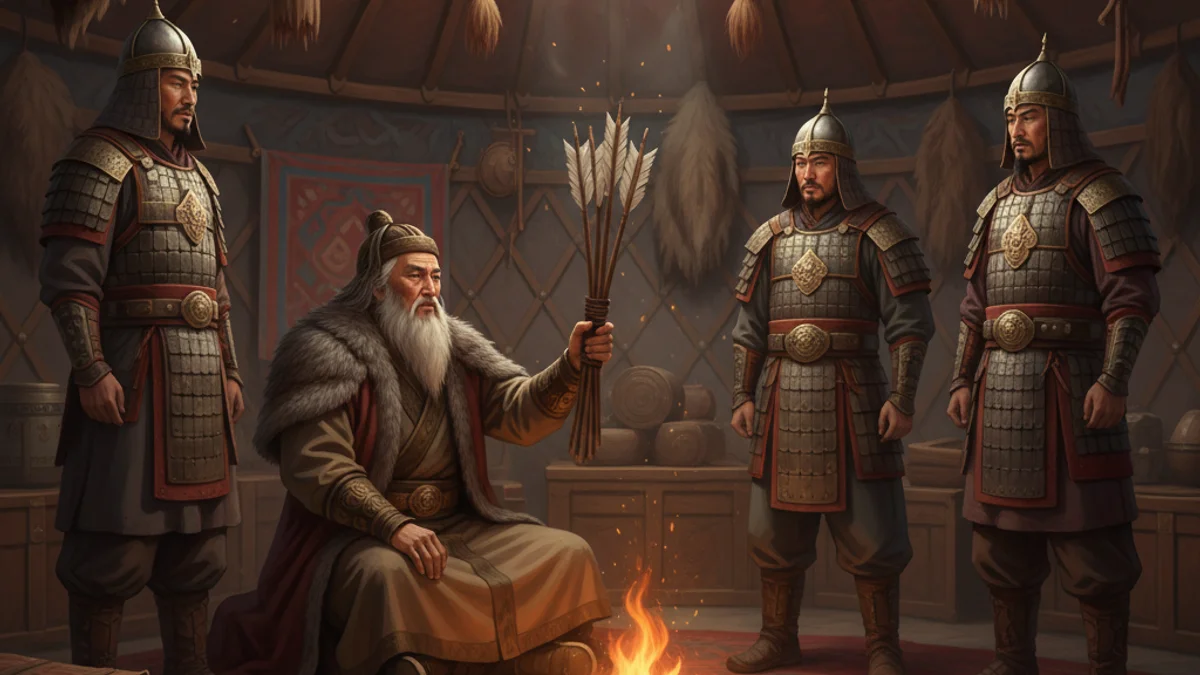
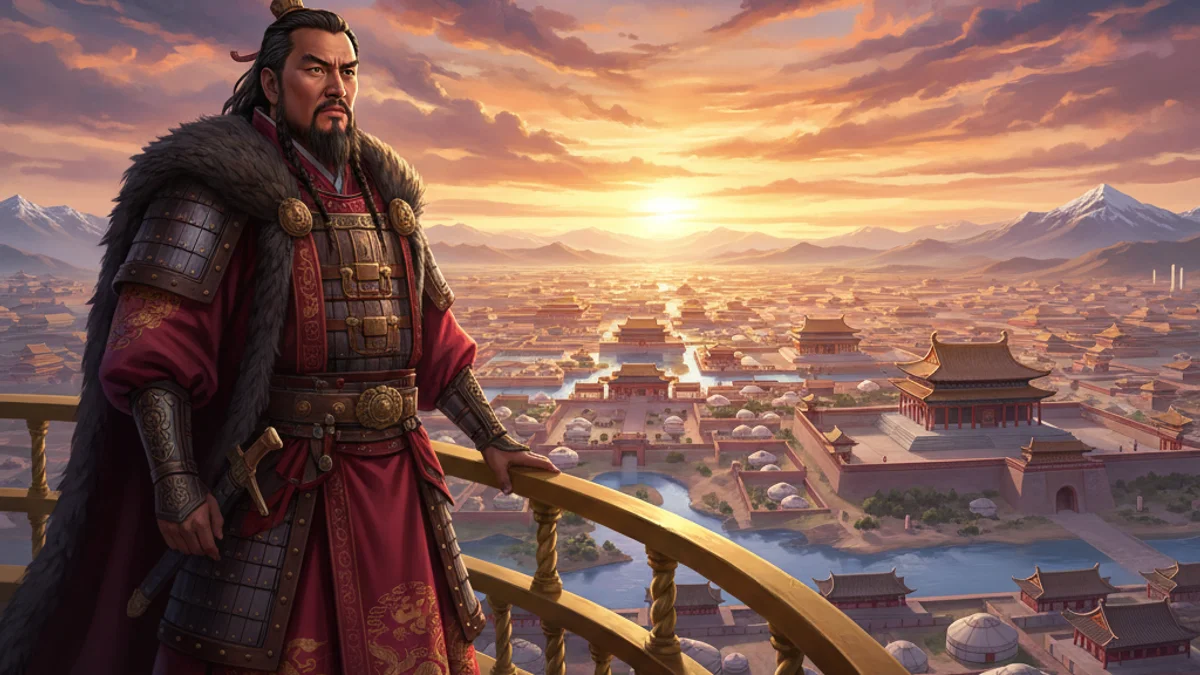
Born to the lineage of Great Khans, Kublai was the grandson of the world-conqueror Genghis. Unlike his ancestors who preferred the open steppe, Kublai looked toward the refined riches of the South with a vision of a unified world. After a fierce civil war against his brother, he claimed the title of Great Khan and turned his sights on the Song Dynasty. He did not merely destroy; he built. He moved his capital to Daidu, known today as Beijing, and established the Yuan Dynasty, becoming the first non-Han emperor to rule all of China. In his legendary summer palace of Xanadu, he hosted the Venetian traveler Marco Polo, showcasing an empire that bridged the Silk Road. Kublai's reign was a delicate balance of Mongol ferocity and Chinese administrative wisdom, proving that while an empire can be won on horseback, it must be governed from a throne.
The Moral
True power and lasting legacy are achieved through cultural synthesis and the wisdom to adapt to those one leads.
“An empire can be conquered on horseback, but it cannot be governed on horseback.”
Fun Fact
Kublai Khan introduced the use of paper money as the primary medium of exchange across his empire, a concept that fascinated European travelers.
Frequently Asked Questions
What is the moral of Kublai Khan?
The story teaches that lasting power is achieved through cultural synthesis rather than brute force. Kublai succeeded because he learned to govern his subjects by respecting their traditions while maintaining his own identity.
Who was Kublai Khan?
Kublai Khan was the grandson of Genghis Khan and the fifth Khagan of the Mongol Empire. He is most famous for conquering the Song Dynasty and becoming the first emperor of the Yuan Dynasty in China.
What was the importance of Xanadu?
Xanadu, or Shangdu, was Kublai Khan's legendary summer capital. It became a symbol of immense wealth and architectural splendor, later immortalized in Western literature by the poet Samuel Taylor Coleridge.
How did Marco Polo influence the story of Kublai Khan?
Marco Polo was an Italian explorer who spent seventeen years in Kublai's court. His detailed travelogues introduced the wonders of the Mongol Empire and Kublai's sophisticated governance to the European world.
Was Kublai Khan different from Genghis Khan?
While Genghis was a nomadic conqueror who focused on expansion and unity of the tribes, Kublai was a builder who sought to integrate sedentary civilizations. He transitioned the empire from a mobile war machine to a structured state.
What caused the decline of his empire?
The decline was fueled by failed naval invasions of Japan, economic strain from over-expansion, and internal succession disputes. Despite his brilliance, the vastness of the empire became too difficult for his successors to manage.