Loading...
Two Footpads
fable
1 min read
0 comments

0:000:00
Story Summary
In the simple short story "Two Footpads," two criminals share their misadventures while boasting about their robberies at a roadside resort. The First Footpad proudly claims to have robbed the Chief of Police, while the Second Footpad reveals a twist in his tale, admitting that he lost some of his own stolen loot when he attempted to rob the United States District Attorney. This quick read serves as a moral lesson about the unforeseen consequences of crime, reminding readers of the folly in boasting about such exploits.
Click to reveal the moral of the story
The story illustrates that even in wrongdoing, one's ambitions and outcomes can vary greatly, often with unexpected consequences.
Historical Context
This story reflects the tradition of humorous anecdotes found in early 20th-century American literature, particularly in the context of the rise of urban crime and the colorful characters that emerged during that time. Its style echoes the works of writers like O. Henry, known for their witty narratives and twist endings, often highlighting the absurdity of social situations and the cunning of rogues. The interplay between the footpads—common thieves—and their exaggerated exploits showcases a cultural fascination with the underbelly of society, as well as a comedic critique of authority figures.
Our Editors Opinion
This story highlights the pitfalls of overestimating one's prowess and the consequences of engaging in deceitful behavior, which mirrors modern-day scenarios where individuals may boast about their exploits without considering the risks or the reality of their situations. For example, in a corporate setting, an employee might exaggerate their achievements to impress peers, only to be exposed later for inflating their contributions, ultimately damaging their credibility and career prospects.
You May Also Like

The Silkworm and Spider
In this thought-provoking moral story, a Silkworm, busy crafting exquisite silk for Princess Lioness, encounters a boastful Spider who brags about her quick web-making skills. The Silkworm counters that true artistry lies in creating lasting beauty for royalty, highlighting that while the Spider's work is merely a transient trap, her own thoughtful craftsmanship endures as a testament to skill and elegance. This simple short story with a moral emphasizes the value of quality over speed in creative endeavors.
Artistry
Competition
Silkworm
Spider

The Expatriated Boss
In "The Expatriated Boss," a boss in Canada is confronted by a Montreal citizen who accuses him of fleeing to escape prosecution. The boss defends his choice of Canada, citing its corrupt political environment, leading to an emotional reconciliation that highlights the themes of understanding and forgiveness. Through this simple moral story, readers are reminded of the importance of perspective and compassion, making it an educational moral story suitable for kids.
deception
misunderstanding
BOSS
Citizen of Montreal
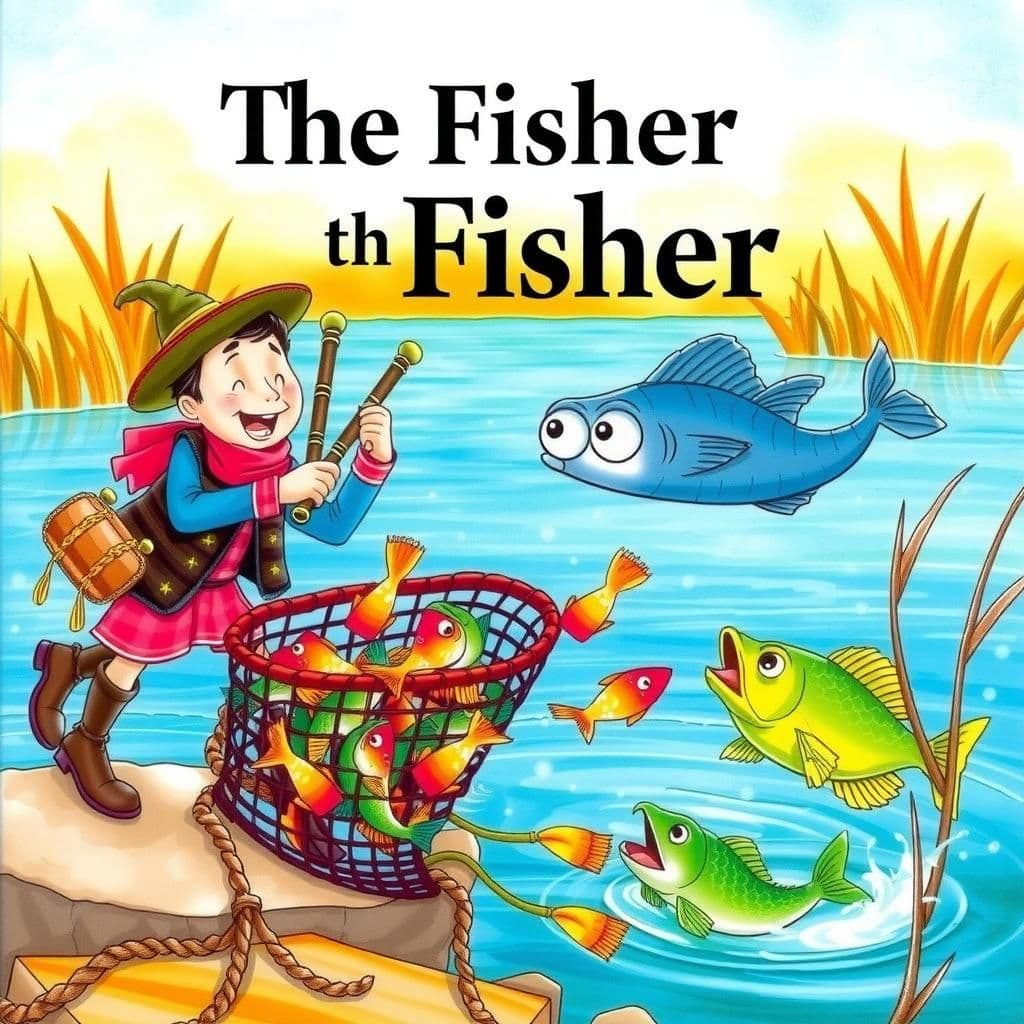
The Fisher
In this short story with moral, a Fisher uses his bagpipes in an attempt to attract fish, but initially fails until he captures them in a net. Once caught, the fish leap in response to his music, leading an old fish to remark that they only dance because they are now under the Fisher's control. This tale serves as a reminder of the power dynamics in folklore and moral stories, illustrating that when one is in another's power, compliance becomes necessary.
power
compliance
Fisher
old Fish
Other names for this story
"Highway Heist, Grog and Grit, The Footpad Chronicles, Rogue Revelries, Mischief Makers, The Great Escape, Lawless Laughter, Bravado at the Bar"
Did You Know?
This story cleverly highlights the absurdity of crime and the ironic twists of fate, illustrating how even the most audacious criminals can find themselves outmatched by their own ambitions or miscalculations. The humorous exchange between the two footpads underscores the theme of competition and the unexpected consequences of their actions.
Subscribe to Daily Stories
Get a new moral story in your inbox every day.