The Party Manager and the Gentleman
Story Summary
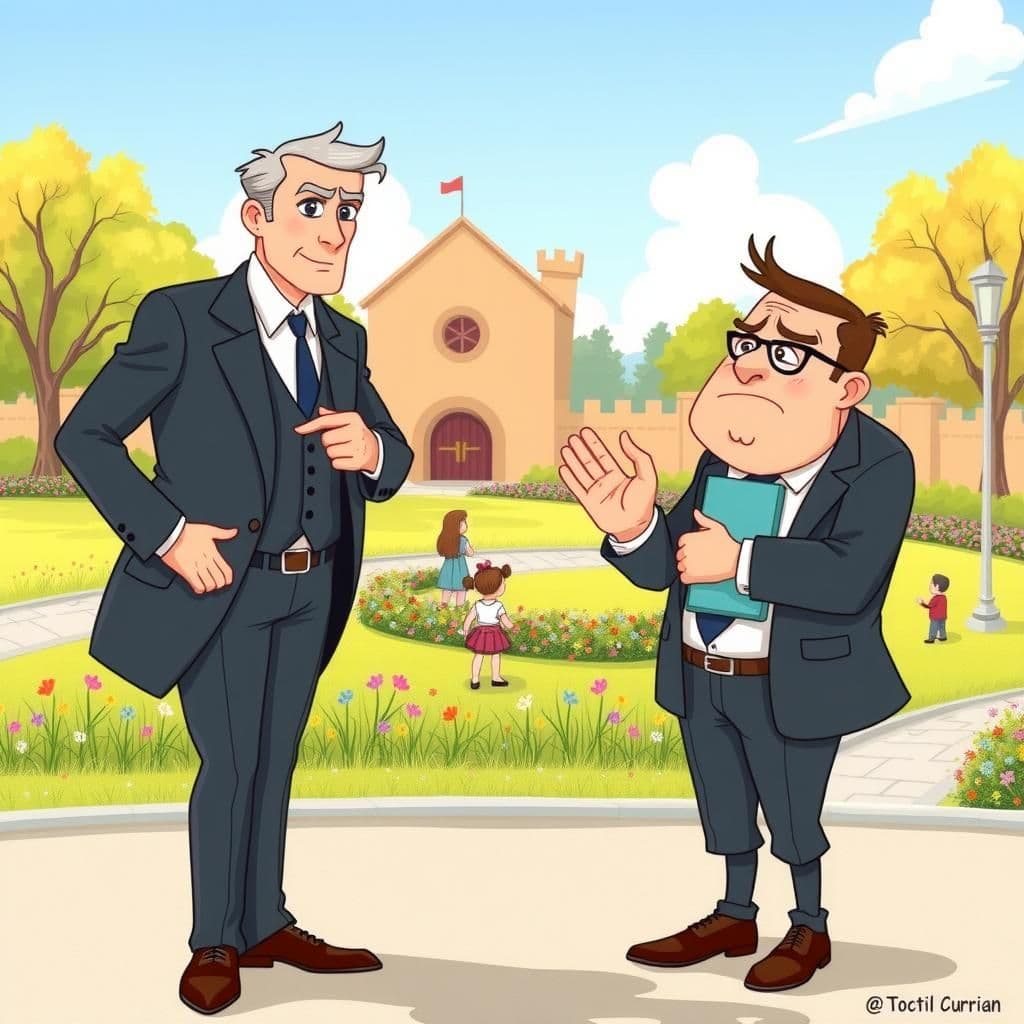
In "The Party Manager and the Gentleman," a simple short story with moral undertones, a Party Manager attempts to persuade a Gentleman to pursue political office through contributions and endorsements. The Gentleman, valuing integrity over ambition, firmly refuses, asserting that seeking servitude is not an honor but a betrayal of his principles. This short moral tale illustrates the importance of staying true to one's convictions, even in the face of pressure and insults.
Click to reveal the moral of the story
The moral of the story is that true integrity and service to the public require honesty and a refusal to compromise one's principles for personal gain or societal expectations.
Historical Context
This exchange reflects the political skepticism and anti-corruption sentiments that emerged during the late 19th and early 20th centuries, particularly in the United States and Europe, where political machines and patronage were prevalent. The story echoes themes found in works like Mark Twain's "The Gilded Age," which critiques the moral decay of politics, and has parallels in the broader genre of satirical literature that exposes the absurdities of political ambition and the integrity of public service. Similar narratives have been retold in various forms, emphasizing the tension between personal ethics and the often corrupt nature of political systems.
Our Editors Opinion
This story highlights the importance of integrity and authenticity in a world where ambition and conformity often overshadow genuine service. In modern life, a similar scenario can be seen in corporate environments where employees are pressured to endorse questionable practices or agendas for career advancement; a brave individual who refuses to compromise their values might find themselves ostracized but ultimately earns respect and trust from peers for their principled stance.
You May Also Like
The Justice and His Accuser
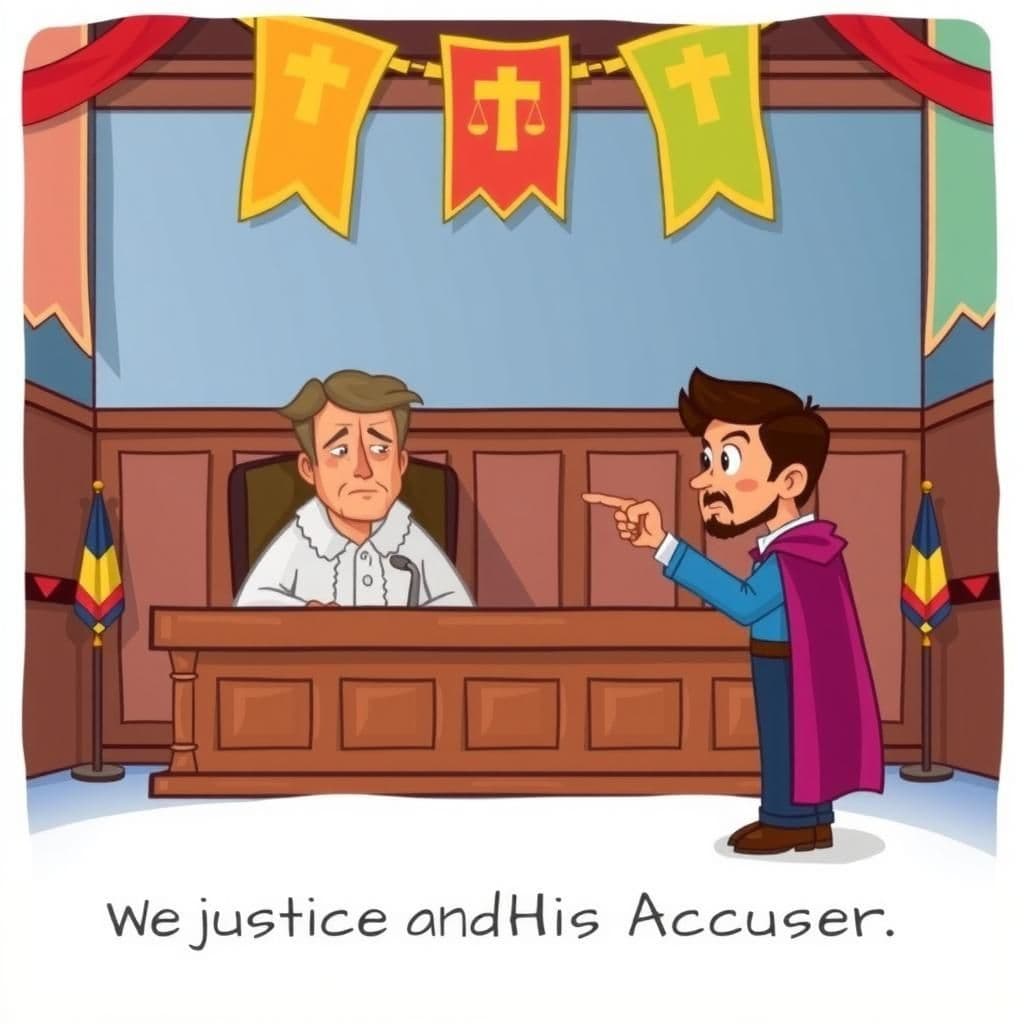
In "The Justice and His Accuser," a Supreme Court Justice in Patagascar faces allegations of securing his position through fraud, sparking a thought-provoking moral debate. While the Justice dismisses the significance of his appointment's legitimacy, the Accuser emphasizes that the Justice's misconduct on the Bench is far more critical, illustrating a classic moral lesson about the importance of integrity in leadership. This life-changing story encourages reflection on how power should be wielded responsibly, making it a compelling addition to inspirational short stories with moral lessons.

The Man and the Fish-horn
A Truthful Man discovers a unique musical instrument called a fish-horn and decides to use it while fishing, believing it will charm the fish. Despite playing it all day without catching anything, he concludes that the experience was a wonderful day for music instead, highlighting a valuable lesson in appreciating the moment. This simple short story with moral serves as one of the best moral stories for students, reminding us that not every endeavor yields the expected results, but joy can still be found in the journey.
The Legislator and the Citizen
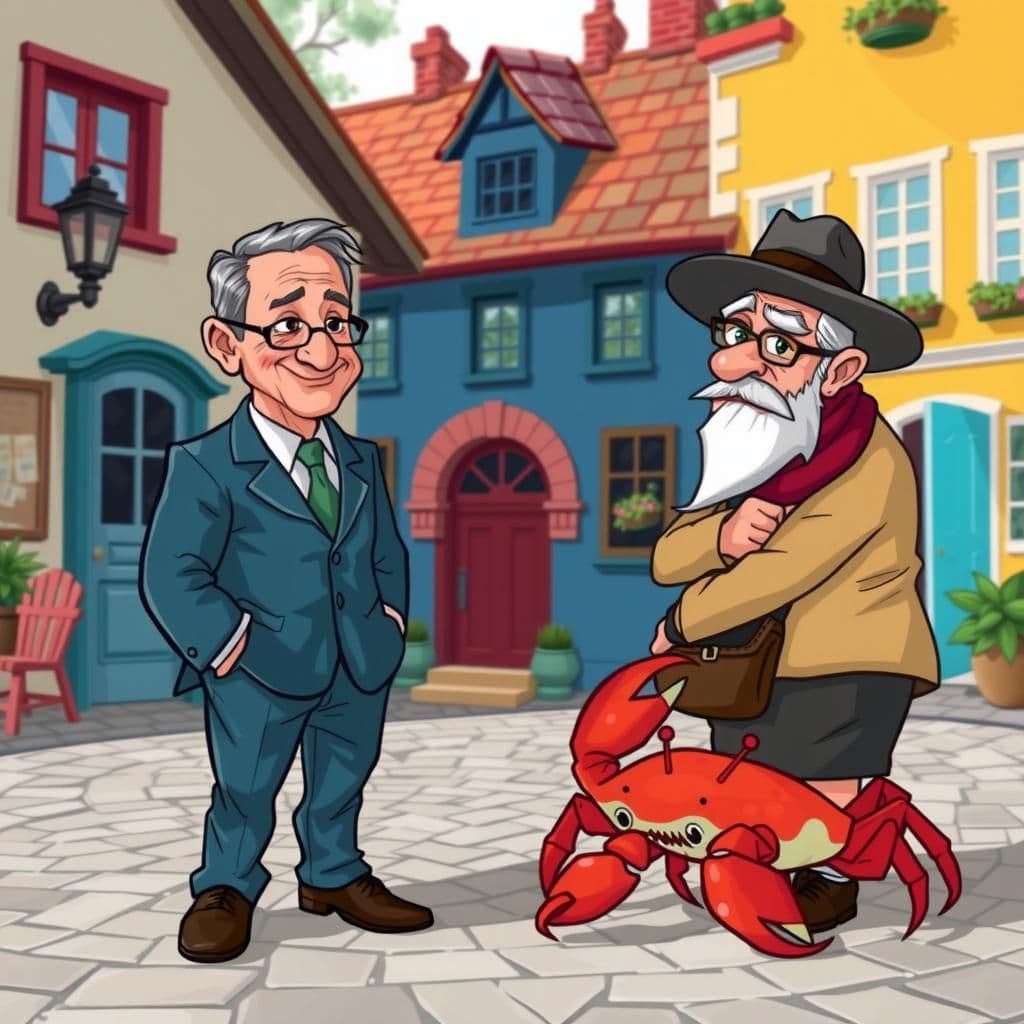
In this humorous moral story, an ex-Legislator seeks a recommendation from a Most Respectable Citizen for the position of Commissioner of Shrimps and Crabs, despite his notorious past of selling influence. Initially outraged, the citizen ultimately agrees to help, crafting a witty letter that highlights the irony of political corruption and emphasizes that an honest man should only "swap" influence rather than sell it. This timeless moral tale offers a valuable lesson on integrity, making it an engaging choice for kids' moral stories.
Other names for this story
Election Ethics Unveiled, The Gentleman’s Stand, A Vote for Integrity, The Party Dilemma, Honor in Service, The Campaign Conundrum, No Price for Principle, The Reluctant Politician
Did You Know?
This story highlights the theme of integrity in public service, illustrating the tension between personal values and the often corrupt practices of political systems. The Gentleman’s refusal to engage in the expected norms of political ambition underscores the idea that true honor lies in serving the people without ulterior motives.
Subscribe to Daily Stories
Get a new moral story in your inbox every day.