The Olive Tree and the Fig Tree
In "The Olive Tree and the Fig Tree," a classic among famous moral stories, the Olive Tree ridicules the Fig Tree for shedding its leaves with the seasons. However, when heavy snow falls, the Olive's lush branches break under the weight, leading to its demise, while the bare Fig Tree remains unharmed. This popular moral story illustrates that what may seem like a disadvantage can sometimes be a blessing, making it a valuable lesson in short moral tales and bedtime moral stories.

Reveal Moral
"The moral of the story is that adaptability and resilience in the face of change can be more advantageous than seeming strength and permanence."
You May Also Like

The Fox and the Monkey
In "The Fox and the Monkey," a boastful Monkey claims that monuments in a cemetery honor his illustrious ancestors, who were esteemed freedmen. The clever Fox highlights the ease of lying when there are no witnesses to challenge the falsehoods, illustrating that a false tale often betrays itself. This fable serves as a life-changing story with a moral, reminding readers of the importance of honesty in impactful moral stories.

The Ass and the Frogs
In "The Ass and the Frogs," a burdened ass falls into a pond and groans under the weight of his load, prompting the frogs to mock him for his distress. This humorous story imparts a valuable lesson: people often complain more about minor grievances than they do about greater hardships, making it a perfect quick read story with moral for students. Through this moral short story, readers learn that perspective is crucial when facing challenges.
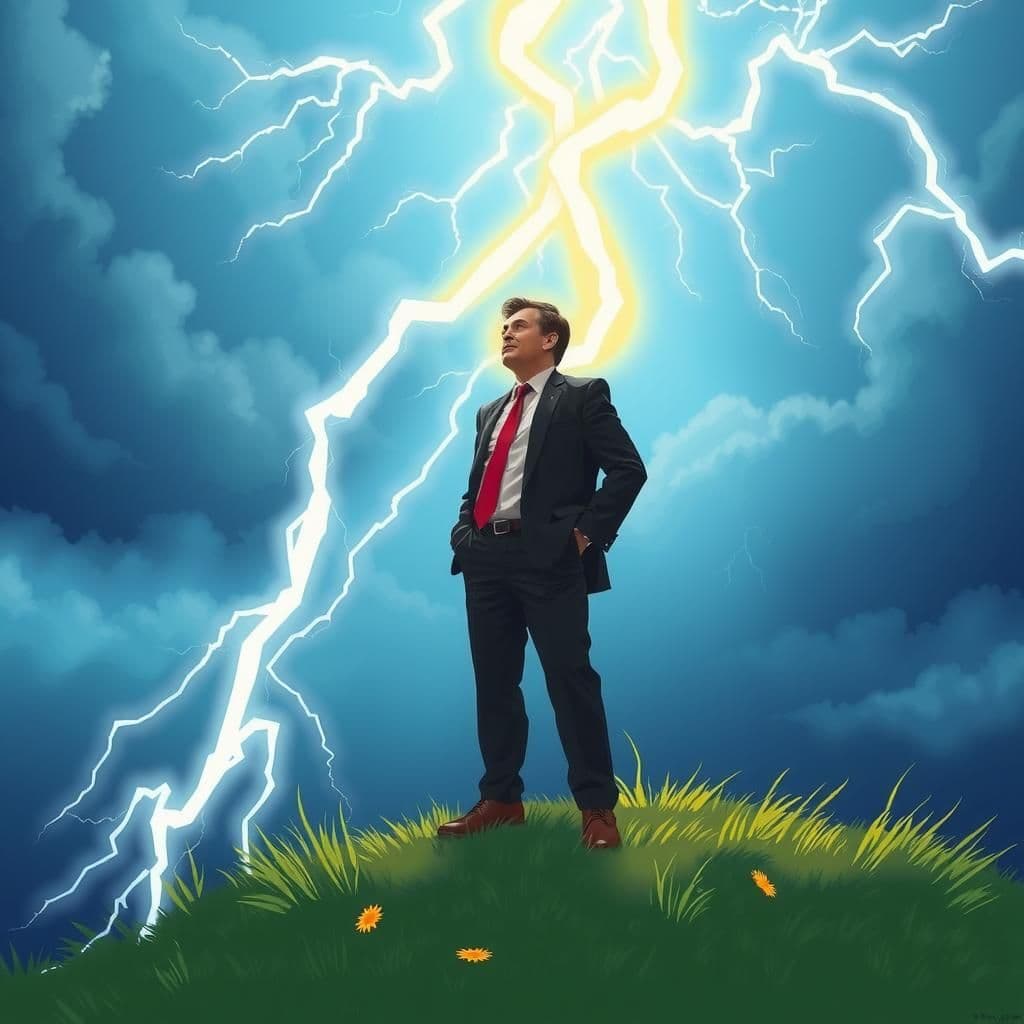
The Man and the Lightning
In "The Man and the Lightning," a simple short story with moral undertones, a politician on the campaign trail is overtaken by Lightning, which boasts of its impressive speed. The Man Running for Office counters that while Lightning may be swift, his endurance allows him to continue on his journey, illustrating a profound lesson about perseverance over mere speed. This short tale serves as a reminder that simple lessons from stories often highlight the value of resilience in the face of challenges.