The Lost Wig
Story Summary
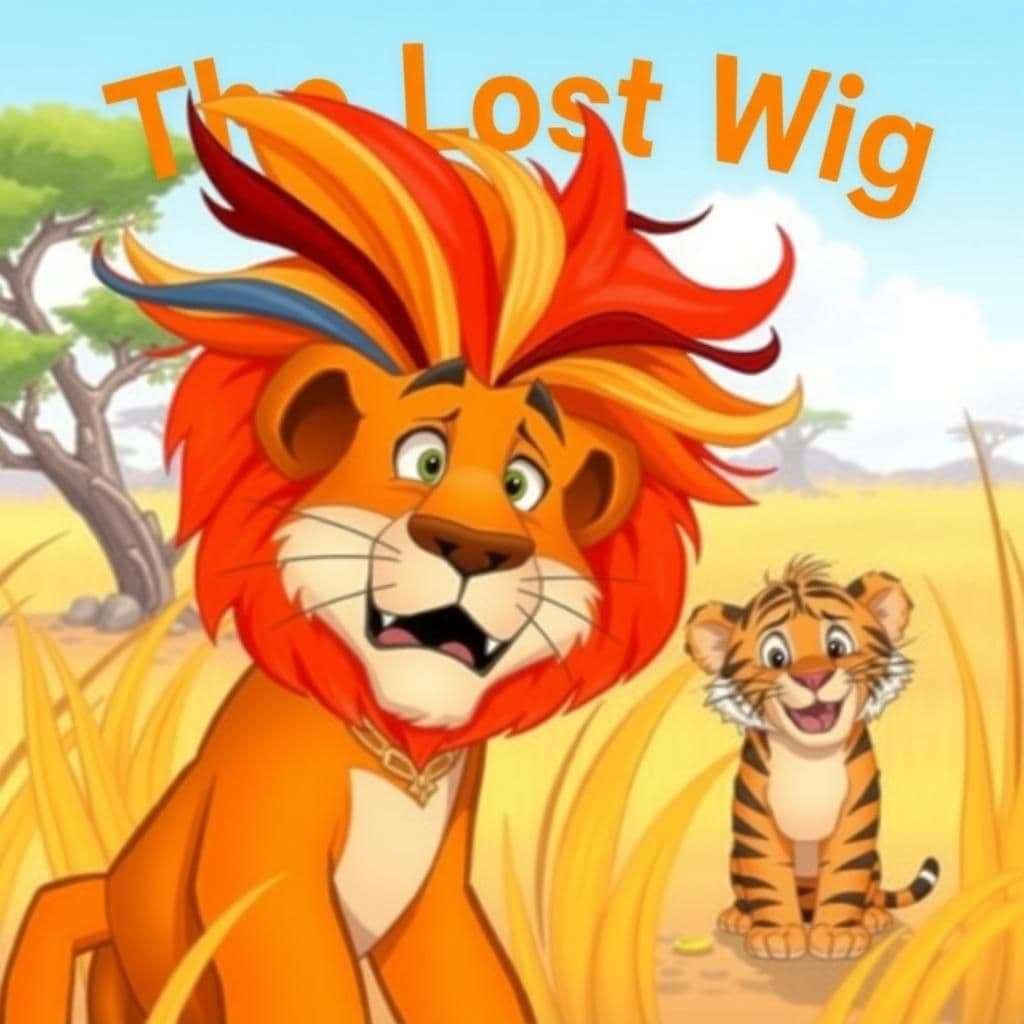
In "The Lost Wig," a humorous old lion, who wears a wig to hide his baldness, tries to impress a tiger sister with a bow on a windy day. When a gust of wind blows his wig away, he feels foolish but cleverly quips about his predicament, showcasing the wit found in many famous moral stories. This short story embodies the charm of small moral stories and famous fables with moral lessons about embracing one's flaws.
Click to reveal the moral of the story
Embrace your imperfections with humor and wit, as they can turn a potentially embarrassing situation into a charming moment.
Historical Context
This story draws on timeless themes found in fables and folk tales, particularly those featuring anthropomorphic animals, which often serve as allegories for human traits and follies. The humorous mishaps of the lion reflect the rich tradition of animal tales in literature, such as Aesop's Fables and the works of La Fontaine, where wit and wisdom emerge from absurd situations, emphasizing the importance of resilience and self-acceptance in the face of embarrassment. This playful narrative also highlights cultural values related to appearance and social interactions, revealing how humor can diffuse tension and promote connection.
Our Editors Opinion
This story highlights the importance of embracing our imperfections and using humor to navigate awkward situations in modern life. For instance, imagine a professional giving a presentation who suddenly experiences a technical glitch; instead of panicking, they could lightheartedly joke about their "technical difficulties" to ease the tension, demonstrating that confidence and wit can turn a potentially embarrassing moment into a memorable one.
You May Also Like
A Creaking Tail
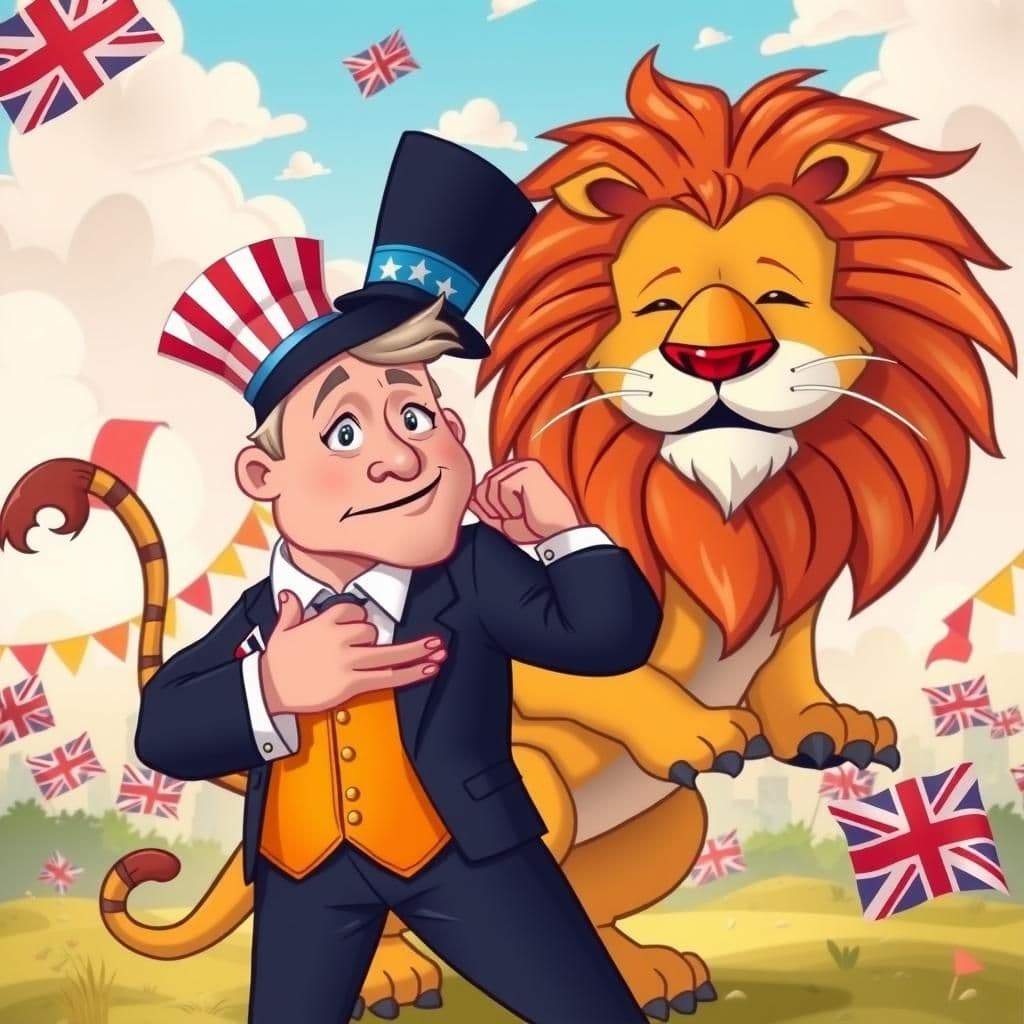
In "A Creaking Tail," a determined American Statesman believes he has demonstrated his political power over the British Lion by twisting its tail, only to learn that the sound he heard was merely a sign that the Lion's tail needed oiling. This timeless moral story for students highlights the futility of the Statesman's actions, as the Lion's nonchalant response reveals that true strength is unaffected by superficial efforts. Through this short story, readers are reminded that not all struggles yield the expected results, making it an educational moral story that motivates reflection on the nature of power and influence.
The Brother and the Sister
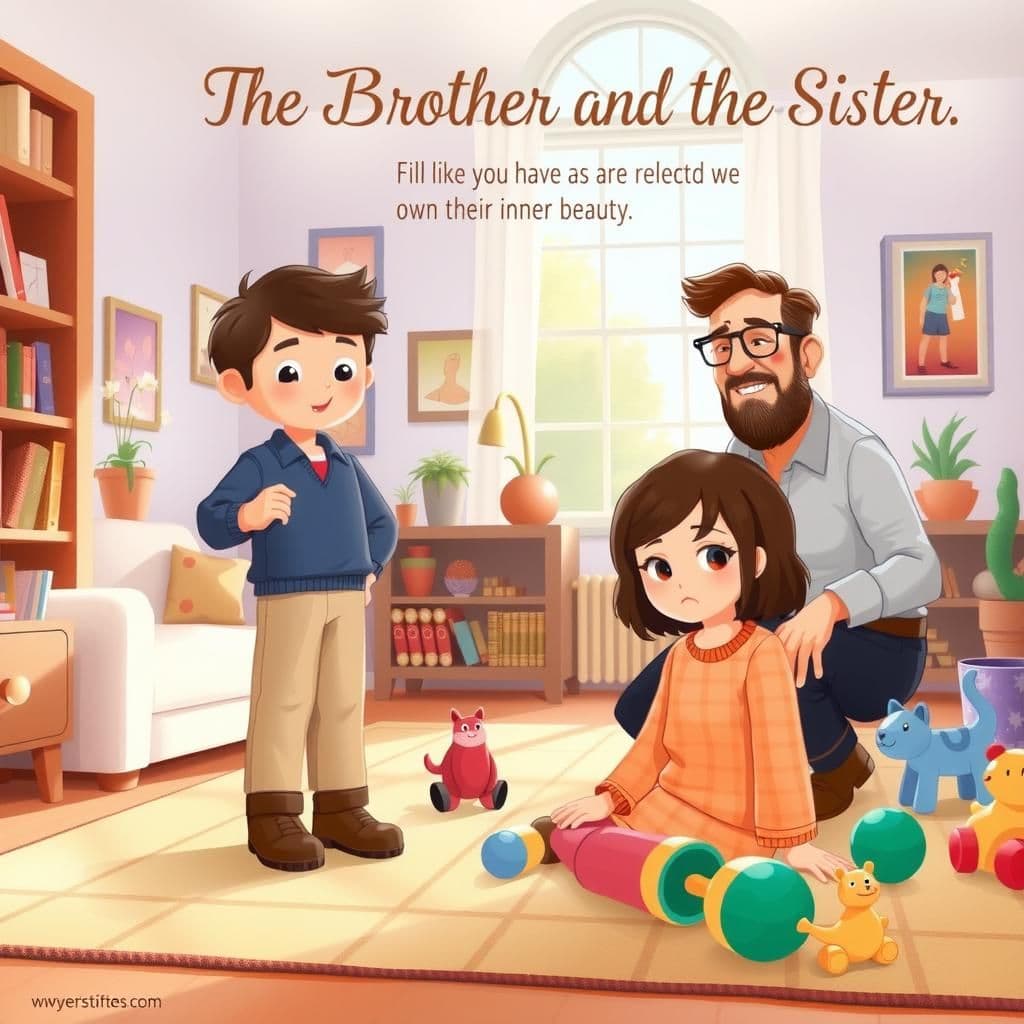
In "The Brother and the Sister," a father addresses the rivalry between his handsome son and his unattractive daughter after she seeks revenge on him for boasting about his looks. In this quick read story with moral lessons, the father encourages both children to reflect on their qualities, urging his son to safeguard his goodness and his daughter to cultivate her virtues, illustrating important lessons from moral stories for personal growth.
The Tail of the Sphinx
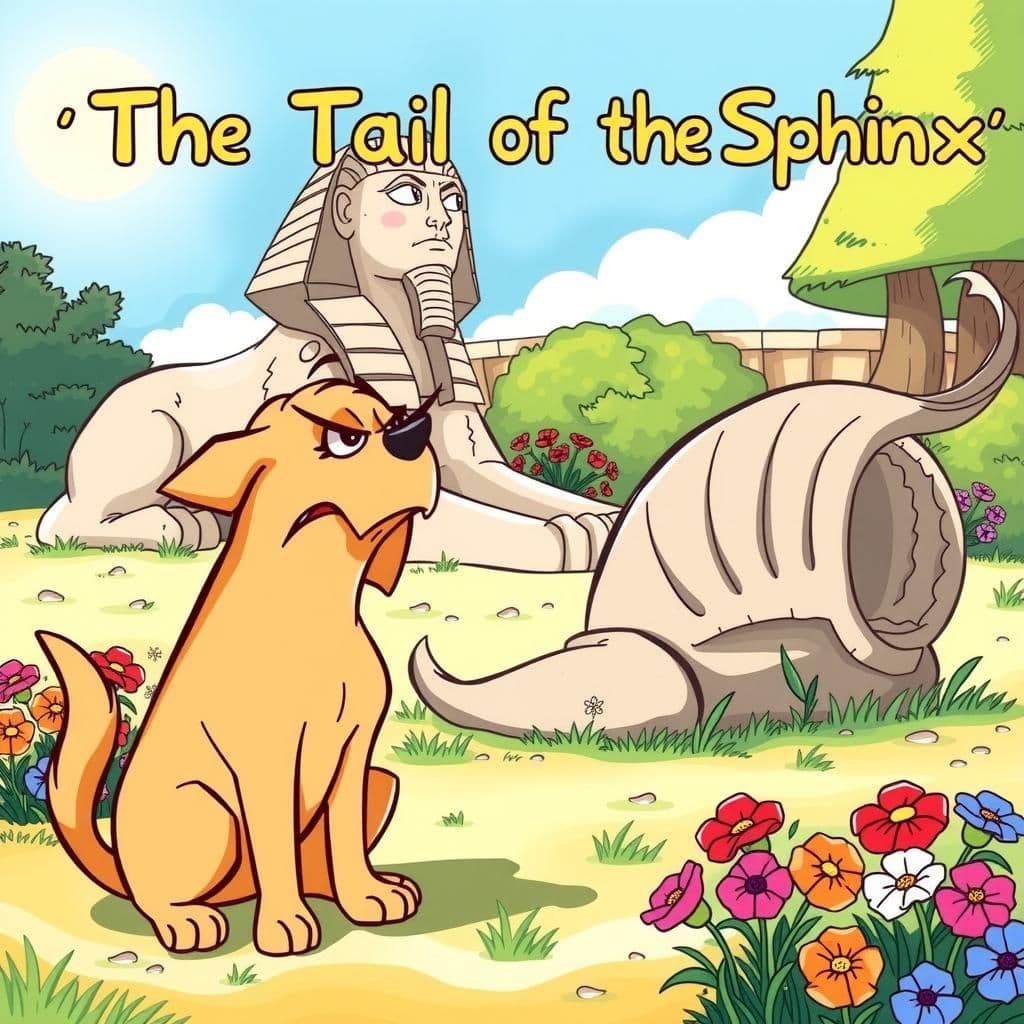
In "The Tail of the Sphinx," a dog frustrated by his tail's tendency to reveal his emotions wishes for the impassiveness of the Sphinx, a figure from famous fables with moral lessons. The tail humorously points out that the Sphinx's stoicism is due to its heavy, stone tail, ultimately teaching the dog to accept the limitations of his nature. This culturally significant moral story highlights the importance of recognizing one's own identity rather than aspiring to be something one is not.
Other names for this story
The Mane Mishap, Wigged Out in the Wind, The Wig That Flew Away, A Lion's Hairy Dilemma, The Great Wig Escape, Bald and Bold, A Wig's Wild Adventure, The Windy Wig Woes
Did You Know?
This story illustrates the theme of self-acceptance and the importance of humor in overcoming embarrassment; despite losing his wig and feeling foolish, the lion's witty response showcases his ability to embrace his situation and maintain his dignity.
Subscribe to Daily Stories
Get a new moral story in your inbox every day.