Loading...
The Huntsman and the Fisherman
fable
1 min read
0 comments

0:000:00
Story Summary
In this short moral tale, a Huntsman and a Fisherman delight in exchanging their catches, finding joy in each other's bounty. However, a wise neighbor warns them that such frequent exchanges may diminish their enjoyment, suggesting they should abstain to fully appreciate their own pursuits. This story serves as a reminder that sometimes, enjoying what we have is more fulfilling than seeking constant variety.
Click to reveal the moral of the story
The moral of the story is that moderation in sharing pleasures can enhance enjoyment, while overindulgence may lead to dissatisfaction.
Historical Context
This story is reminiscent of Aesop's Fables, a collection of moral tales attributed to the ancient Greek storyteller Aesop, who lived around the 6th century BCE. Themes of desire and the consequences of overindulgence are prevalent in many of his fables, emphasizing the value of moderation and the idea that too much of a good thing can lead to dissatisfaction. The cautionary advice of the neighbor reflects a broader cultural understanding of balance and contentment that resonates through various cultures and retellings over the centuries.
Our Editors Opinion
This story highlights the importance of moderation and the value of savoring what one has rather than overindulging in exchanges that may lead to dissatisfaction. In modern life, a scenario could involve two friends who frequently trade their favorite books with one another, only to find that the constant swapping diminishes their appreciation for the stories they once cherished; realizing this, they decide to enjoy their own books fully before sharing them, enhancing their reading experience.
You May Also Like
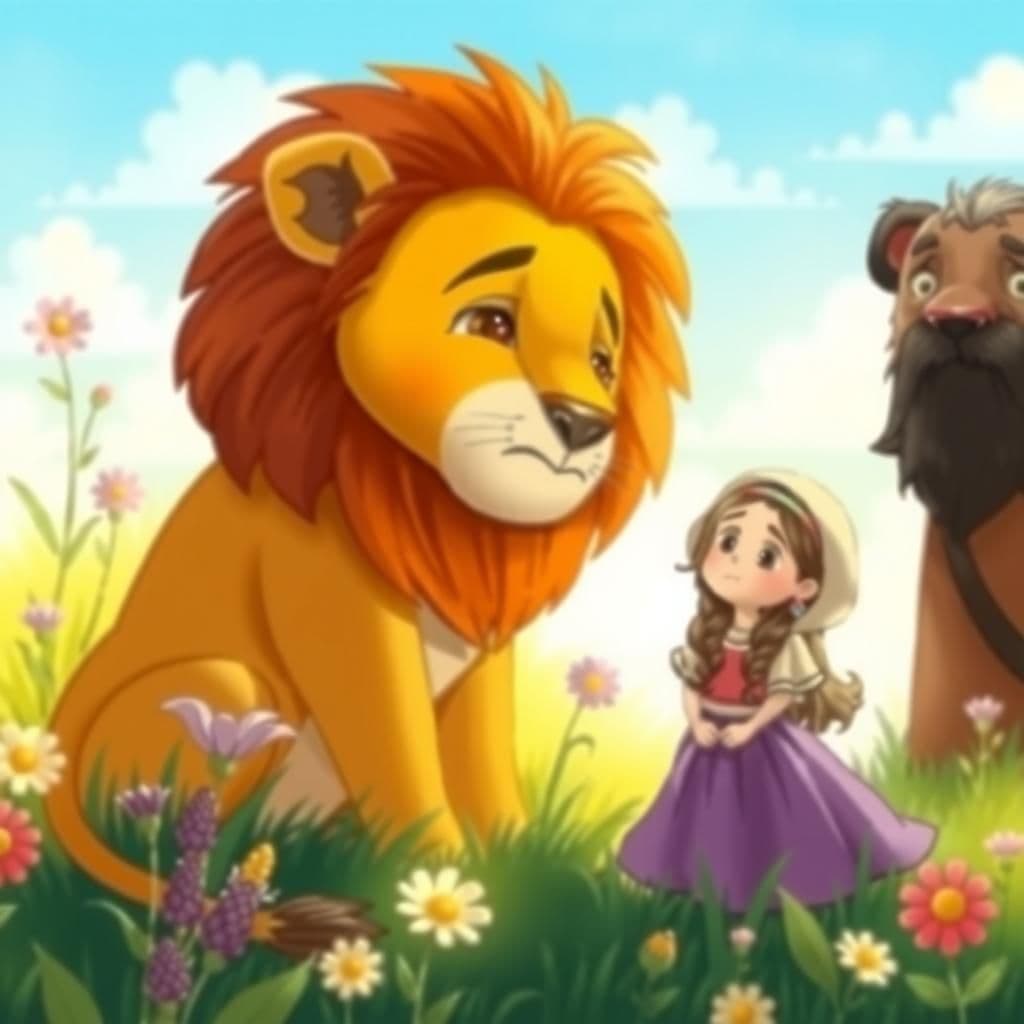
The Lion in Love
In "The Lion in Love," a noble lion falls for a shepherdess and, in a bid to win her over, agrees to be declawed and have his teeth filed down, sacrificing his strength and identity. This thought-provoking moral story serves as a cautionary tale about the dangers of love that blinds one to the risks of vulnerability. Ultimately, it reminds us that true love should never require us to compromise our essence, making it an inspirational story with moral lessons suitable for young readers and moral stories for class 7.
love
sacrifice
Sévigné
lion
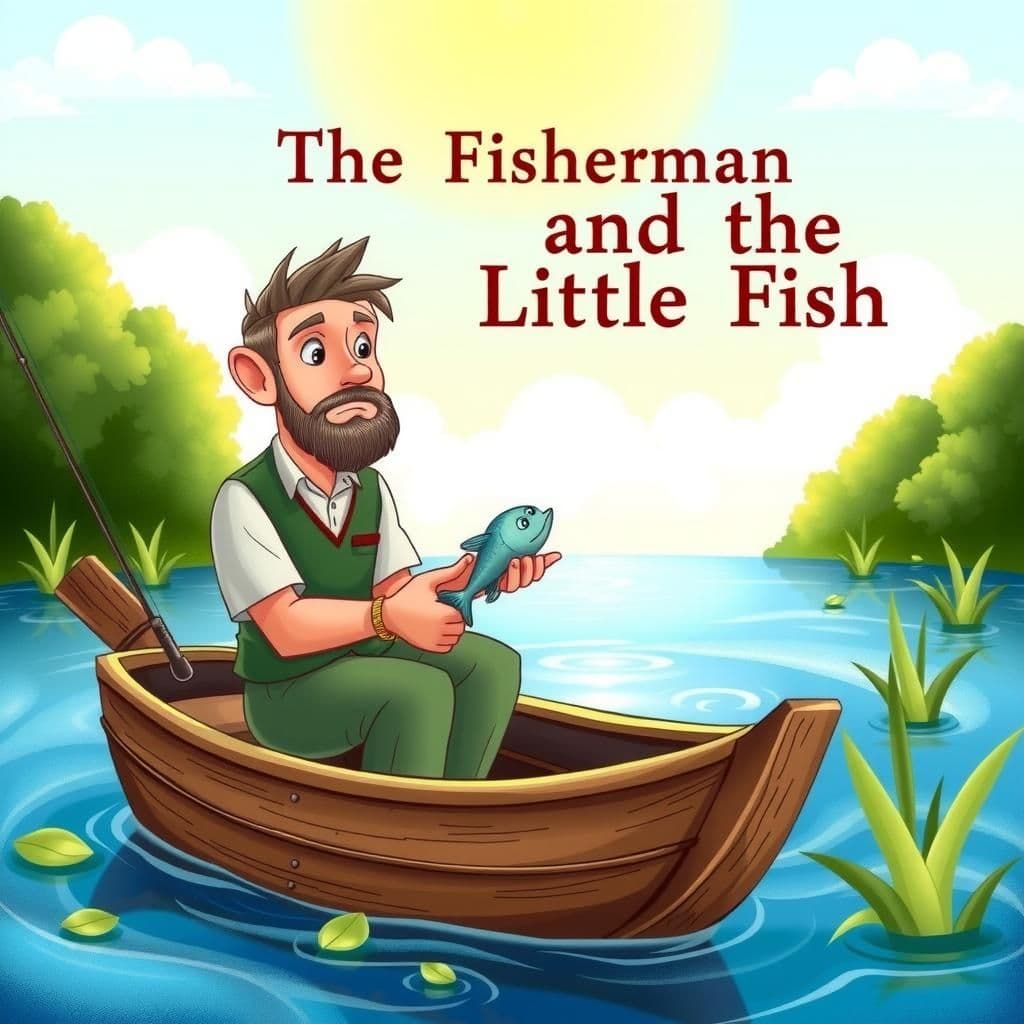
The Fisherman and the Little Fish
In this quick moral story, a fisherman catches a small fish that pleads for its life, promising to grow larger and more valuable if released. Recognizing the wisdom in valuing certain gains over uncertain promises, the fisherman wisely decides to keep the fish he has caught, illustrating a simple lesson about the importance of appreciating what one has rather than chasing uncertain prospects. This short bedtime story with moral teaches us that often, real-life stories with moral significance lie in the choices we make.
pragmatism
temptation
Fisherman
Little Fish

The Wolves and the Sheep
In "The Wolves and the Sheep," a classic tale from famous moral stories, the cunning Wolves persuade the naive Sheep to dismiss their protective Dogs by claiming the Dogs are the true source of conflict. This educational moral story illustrates the dangers of misplaced trust, as the defenseless Sheep fall victim to the Wolves' deceit, highlighting a vital life lesson about the importance of heeding wise counsel for personal growth.
deception
betrayal
Wolves
Sheep
Related Collections
Other names for this story
Harmonious Exchange, The Trade of Nature, Game and Catch, The Swap of Seasons, Fish for Fowl, The Bargain of Hunters, Nature's Fair Trade, The Joy of Exchange
Did You Know?
This fable highlights the theme of moderation and the idea that overindulgence in pleasures can lead to dissatisfaction, suggesting that sometimes, limiting access to certain joys can enhance appreciation for them.
Subscribe to Daily Stories
Get a new moral story in your inbox every day.