The Fox and the Stork
Story Summary
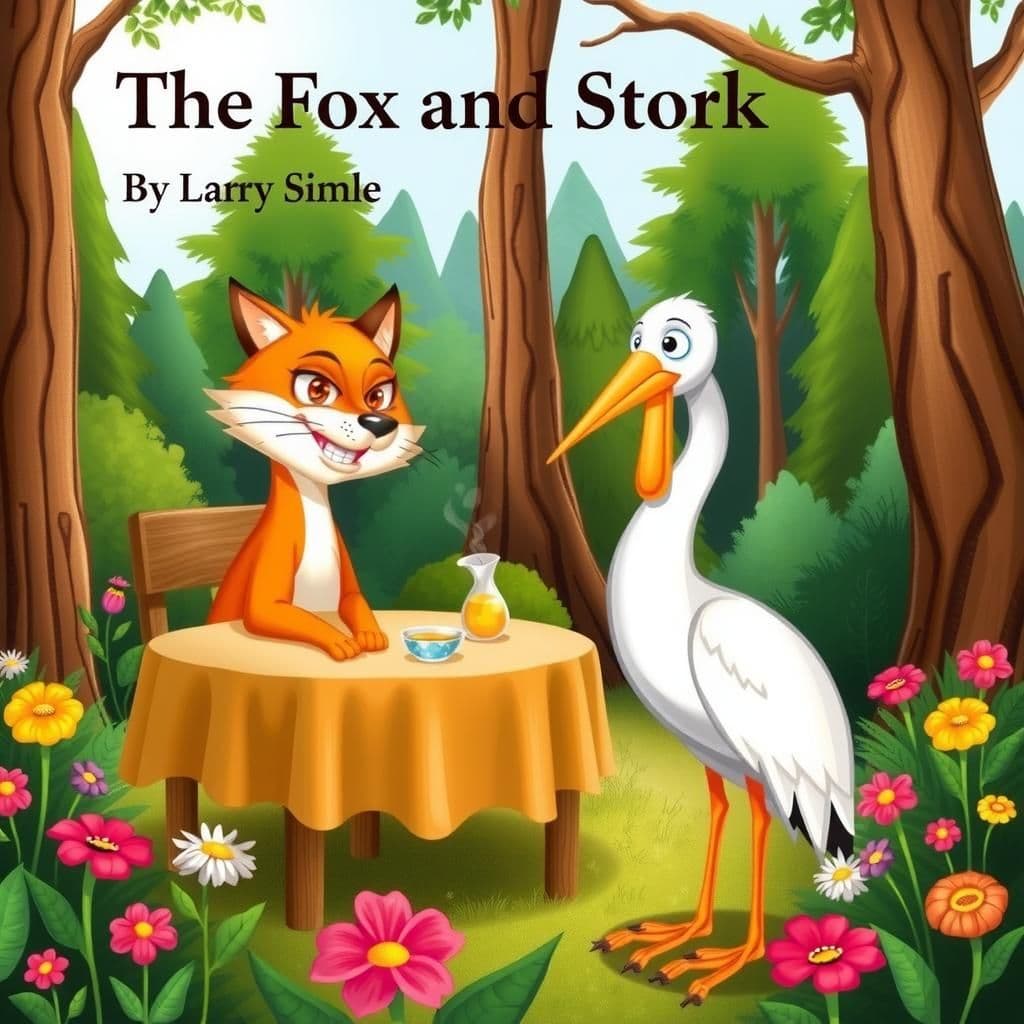
In this short moral tale, the Fox's unkindness towards the Stork, when he serves soup in a shallow dish that she cannot eat, leads to a clever lesson in reciprocity. When the Stork invites the Fox to dinner and serves a meal in a narrow-necked jar that the Fox cannot access, she illustrates the consequences of his actions. This big moral story teaches kids about the importance of treating others with kindness and fairness.
Click to reveal the moral of the story
The moral of the story is that treating others poorly can lead to reciprocation of that same behavior.
Historical Context
The story of "The Fox and the Stork" is one of Aesop's Fables, originating from ancient Greece and attributed to the storyteller Aesop, who lived around the 6th century BCE. This fable, like many others in the collection, conveys moral lessons through the interactions of anthropomorphized animals, illustrating themes of justice and reciprocity in human behavior. Over the centuries, it has been retold in various cultures, often emphasizing the idea that one's actions can lead to similar consequences, encapsulated in the phrase "one bad turn deserves another."
Our Editors Opinion
This fable illustrates the principle of reciprocity and the importance of treating others with respect and fairness, a lesson that remains relevant today in our personal and professional relationships. For example, in a workplace scenario, if a colleague consistently undermines or disrespects another's contributions, that behavior can lead to a toxic environment; however, if confronted with similar treatment, the original offender may find themselves isolated and misunderstood, showcasing the consequences of their actions.
You May Also Like

Revenge
An insurance agent attempts to persuade a tough man to take out a fire policy on his house, passionately detailing the dangers of fire. When questioned about his motives, the agent reveals a dark secret: he seeks revenge against the insurance company for betraying his sweetheart, turning the encounter into a tale reminiscent of folklore with a moral about the consequences of deceit and the lessons learned from personal vendettas.
The Fox Without a Tail
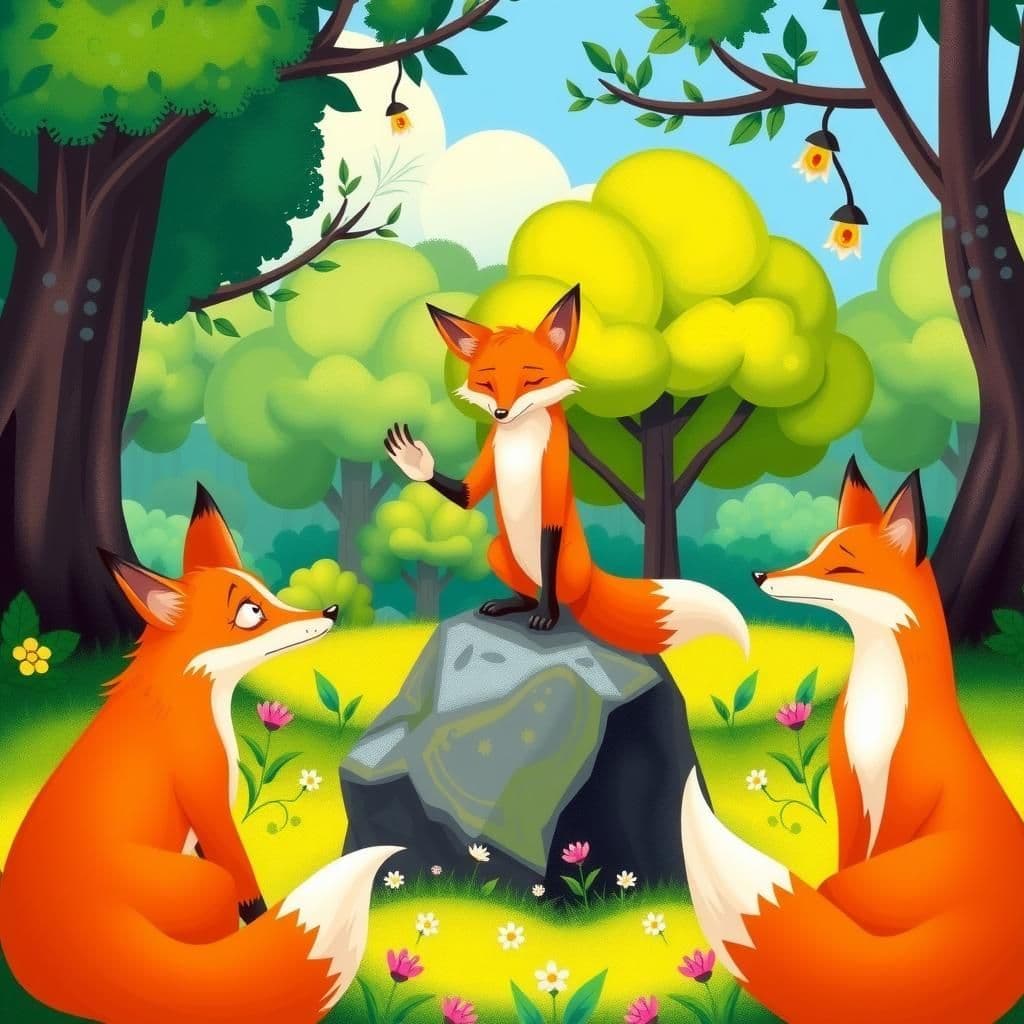
In this short moral story, a Fox, having lost his tail in a trap, proposes that all foxes should abandon their tails, claiming they are inconvenient. An older fox wisely points out that this advice seems self-serving, highlighting a key life lesson about the distrust of self-interested counsel. This storytelling with morals reminds us to be cautious of simple lessons from stories that may be influenced by personal motives.
The Lion the Fox and the Beasts
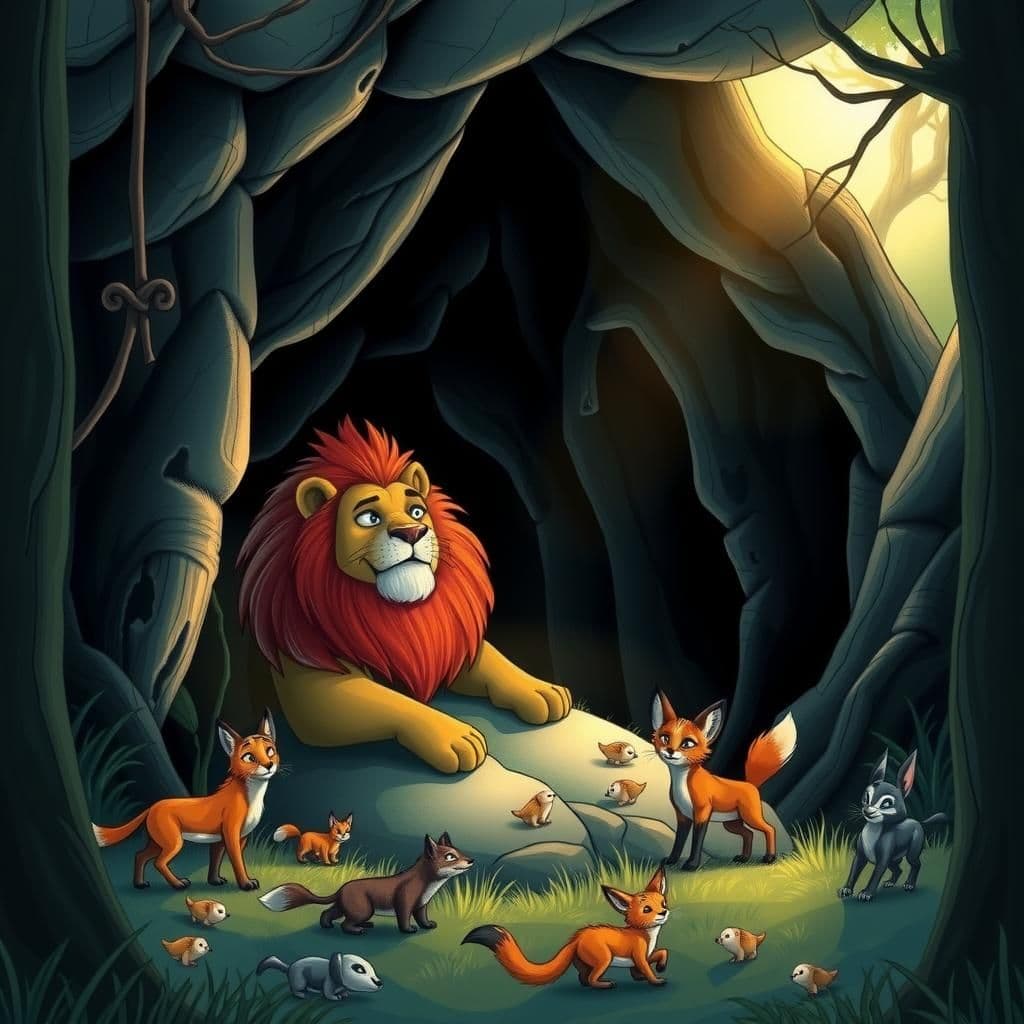
In "The Lion the Fox and the Beasts," a timeless moral story, the cunning Fox wisely avoids the Lion's trap by observing that while many animals enter the cave, none return. This short bedtime story imparts a meaningful lesson about the dangers of blindly following others and the importance of being wary of traps. Ultimately, it reminds readers that it is easier to fall into danger than to escape from it, making it a valuable moral story for class 7.
Other names for this story
"Fox's Dish of Trickery, Stork's Revenge Dinner, A Tale of Two Friends, Dinner Gone Wrong, The Fox's Soup Prank, Stork's Clever Comeback, Friendship's Recipe for Mischief"
Did You Know?
This fable highlights the theme of reciprocity in relationships, illustrating how treating others poorly can lead to similar treatment in return, ultimately emphasizing the importance of empathy and fairness in social interactions.
Subscribe to Daily Stories
Get a new moral story in your inbox every day.