The Ass and the Grasshopper
Story Summary
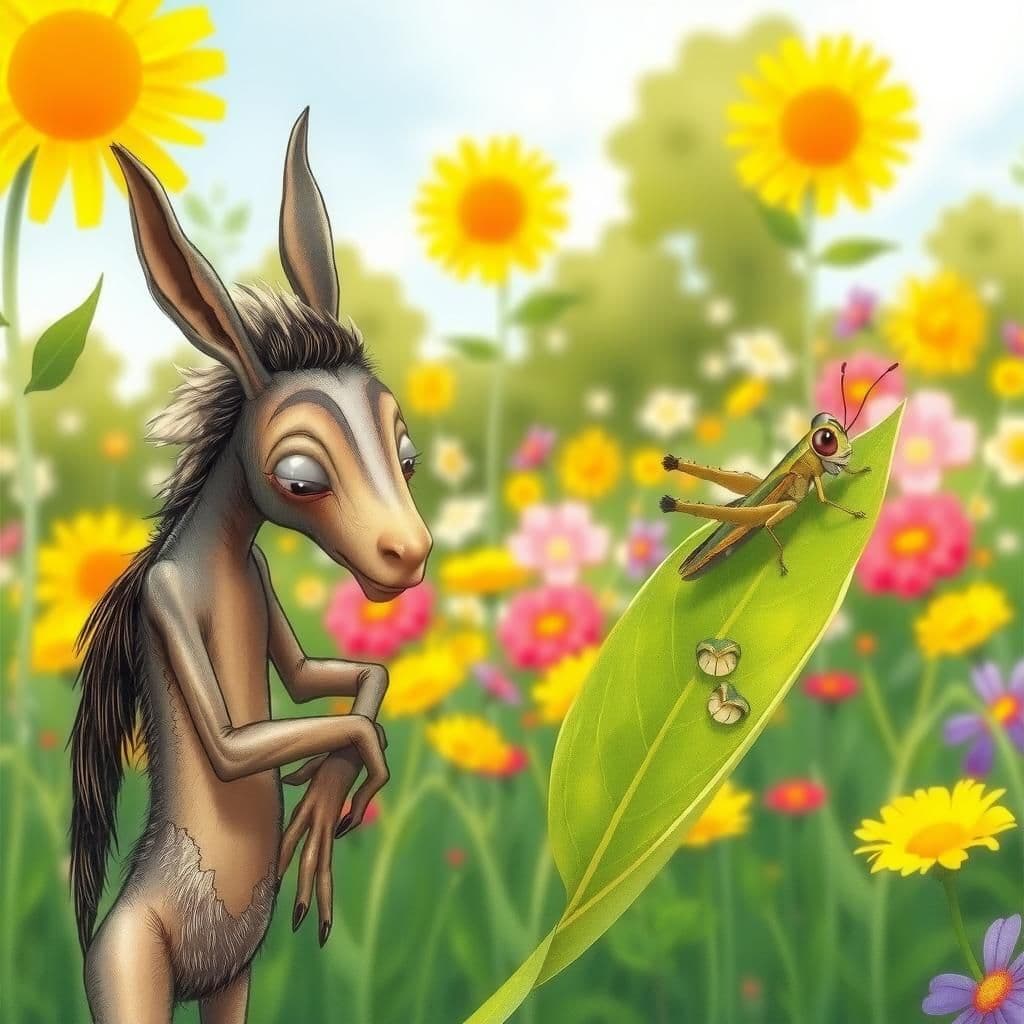
In the well-known moral story "The Ass and the Grasshopper," an ass becomes enchanted by the beautiful singing of grasshoppers and, in his desire to emulate them, decides to live solely on dew, believing it to be the secret to their melody. This foolish choice leads to his tragic death from starvation, illustrating that attempting to imitate others without understanding their needs can have dire consequences. This simple moral story serves as a cautionary tale for students about the dangers of envy and blind imitation.
Click to reveal the moral of the story
The moral of the story is that one should not blindly imitate others without understanding their needs and circumstances.
Historical Context
This fable, attributed to Aesop, reflects themes of envy and the folly of aspiring to unattainable qualities. Originating in ancient Greece, it has been retold across cultures, emphasizing the moral that one should appreciate their own nature rather than covet the attributes of others. The story serves as a cautionary tale about the dangers of unrealistic aspirations and the importance of understanding one's limitations.
Our Editors Opinion
This fable highlights the dangers of envy and the folly of abandoning one's nature in pursuit of superficial qualities. In modern life, a scenario reflecting this moral could involve an individual who, in their quest for popularity on social media, neglects their genuine interests and well-being, ultimately facing burnout and dissatisfaction when they realize that authenticity is more fulfilling than the fleeting allure of online validation.
You May Also Like

The Horse and the Stag
In this heartwarming moral story, the Horse, once the sole ruler of the plain, seeks revenge on a Stag that intrudes into his pasture. Enlisting the help of a man who promises to aid him, the Horse ultimately finds himself enslaved to the very human he sought to empower, illustrating a powerful lesson about the consequences of vengeance and the importance of freedom. This tale serves as a poignant reminder of the lessons from moral stories that resonate in childhood stories with moral lessons.
The Grasshopper and the Ant
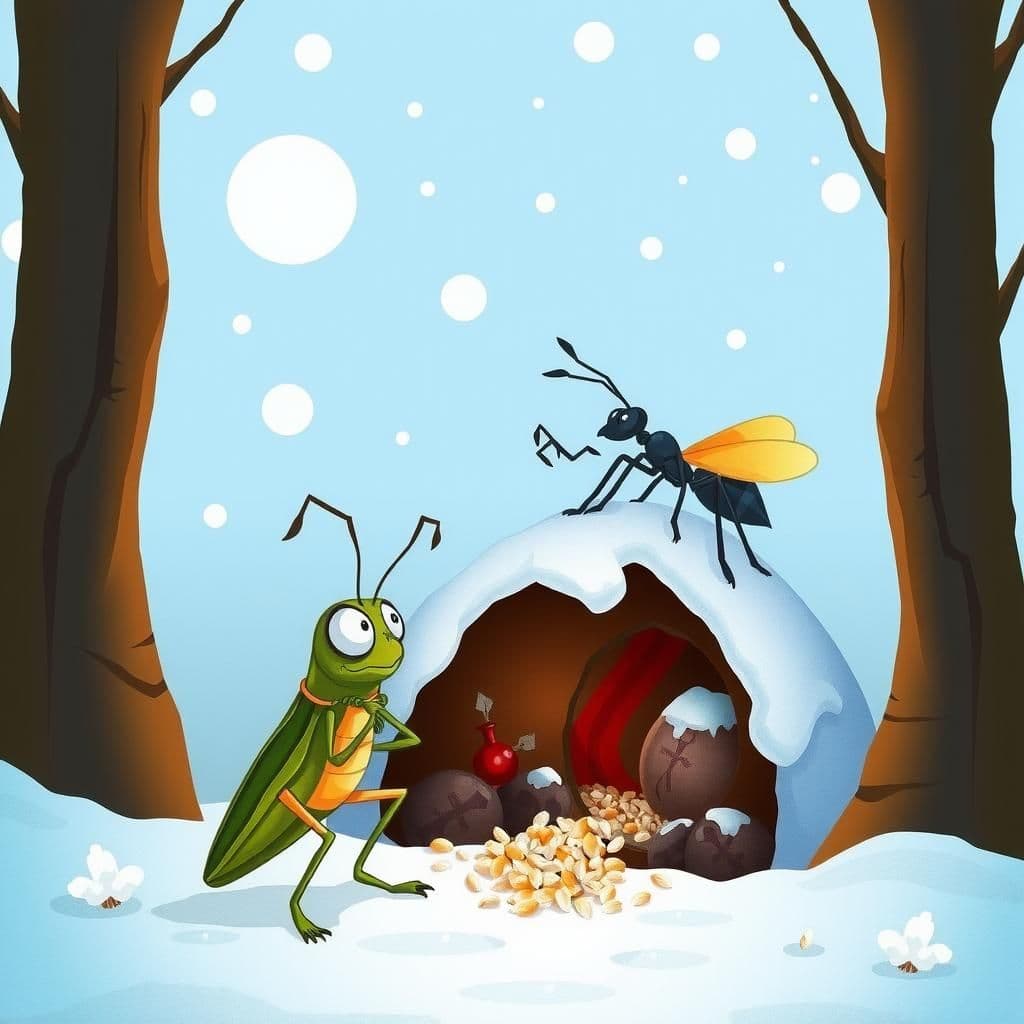
In the thought-provoking moral story "The Grasshopper and the Ant," a hungry Grasshopper seeks food from an Ant during winter, lamenting that his supplies were taken by the Ants. The Ant questions why the Grasshopper did not prepare for the cold instead of spending the summer singing. This short tale with a moral highlights the lessons learned from stories about the importance of preparation and hard work.
The Ass and His Shadow
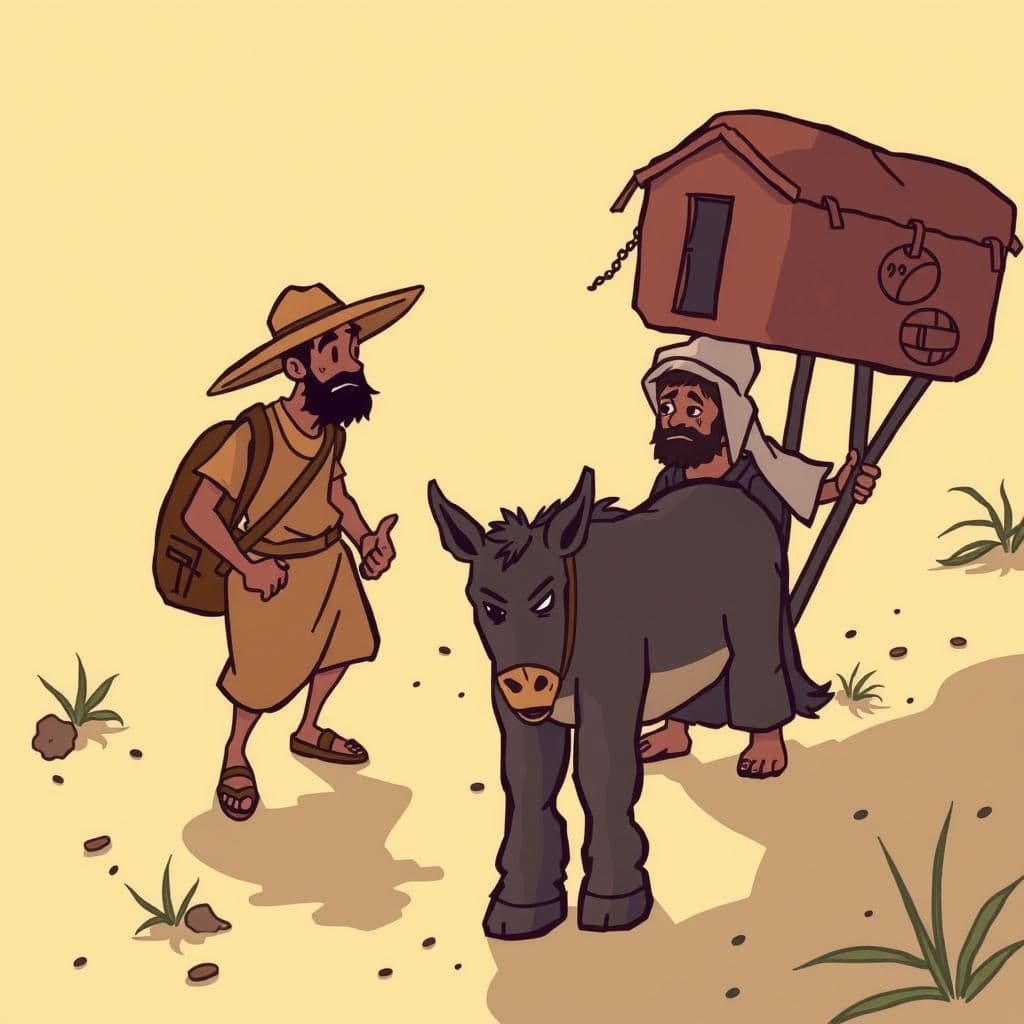
In the simple short story "The Ass and His Shadow," a traveler hires an ass for transportation and seeks refuge from the intense heat under its shadow. A dispute ensues between the traveler and the ass's owner over who has the right to the shadow, escalating to a physical fight, during which the ass gallops away. This famous fable with moral illustrates that in quarreling over trivial matters, we often lose what is truly important, making it one of the best moral stories suitable for short bedtime stories with moral lessons.
Other names for this story
"The Foolish Ass's Folly", "Dew Dreams of the Ass", "Grasshopper's Melodic Allure", "The Ass's Hungry Ambition", "Charmed by Chirps", "Melody and Misfortune", "The Price of Imitation", "Lessons from the Grasshopper"
Did You Know?
This fable illustrates the folly of trying to imitate others without understanding the underlying realities of their lives, emphasizing that envy can lead to self-destructive choices. The Ass's demise serves as a cautionary reminder that not all attributes can be attained through superficial means, and wisdom often comes too late for those who fail to recognize their own strengths and limitations.
Subscribe to Daily Stories
Get a new moral story in your inbox every day.