Loading...
From the Minutes
fable
2 min read
0 comments
0:000:00
Story Summary
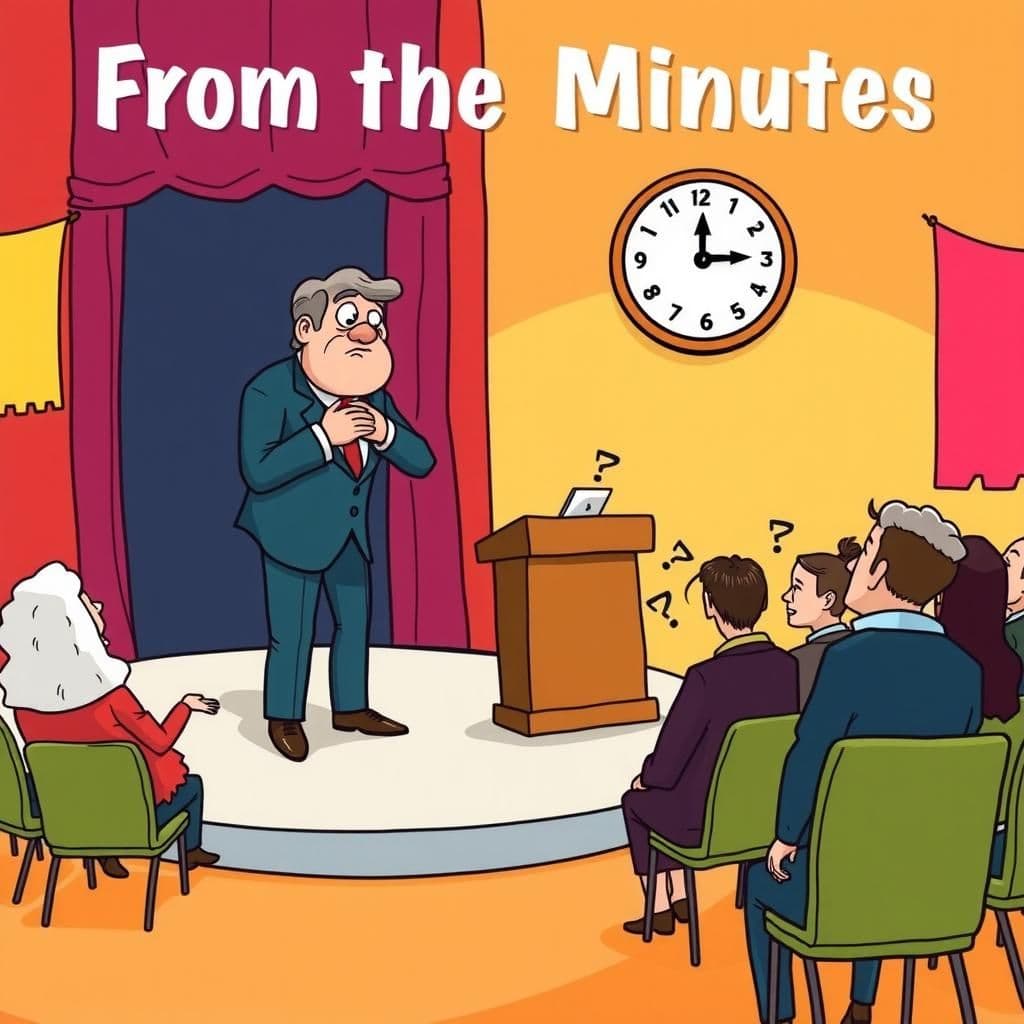
In "From the Minutes," a misguided orator, proud of his supposed integrity, misinterprets a gesture of scorn directed at his reputation, leading to his mortifying collapse and death. His colleagues, reflecting on the simple lessons from his frequent nonsensical speeches, decide to honor him by adjourning whenever they are tired, illustrating the big moral story of the consequences of lacking common sense. This very short moral story serves as a reminder of the importance of humility and self-awareness.
Click to reveal the moral of the story
The story illustrates the folly of pride and the consequences of lacking self-awareness, ultimately highlighting how ignorance can lead to one's downfall.
Historical Context
This story, reminiscent of works by authors such as Lewis Carroll and Mark Twain, reflects a satirical critique of political discourse and the absurdities of legislative bodies in the 19th century. The use of personification and irony serves to highlight the theme of self-deception and the disconnection between public persona and private failings, a common motif in literature exploring the follies of governance. Retellings of similar themes can be found in various cultural narratives that emphasize the folly of pride and the consequences of delusion in leadership.
Our Editors Opinion
This story illustrates the dangers of self-deception and the consequences of ignoring one's own shortcomings, a theme that resonates in modern life where social media can create a façade of perfection. For instance, a public figure may boast about their unblemished reputation while scandals lurk beneath the surface; this could lead to their downfall when the truth inevitably surfaces, prompting a wider conversation about accountability and the importance of authenticity.
You May Also Like

The Mourning Brothers
In the short story "The Mourning Brothers," an Old Man, sensing his death, challenges his sons to prove their sorrow by wearing weeds on their hats, promising his fortune to the one who endures the longest. After years of stubbornness, they agree to share the inheritance, only to discover that an Executor has taken control of the estate, leaving them with nothing. This tale, rich in folklore and moral lessons, highlights the consequences of hypocrisy and obstinacy, making it one of the best moral stories in short story collections.
hypocrisy
greed
Old Man
Sons
The Dutiful Son
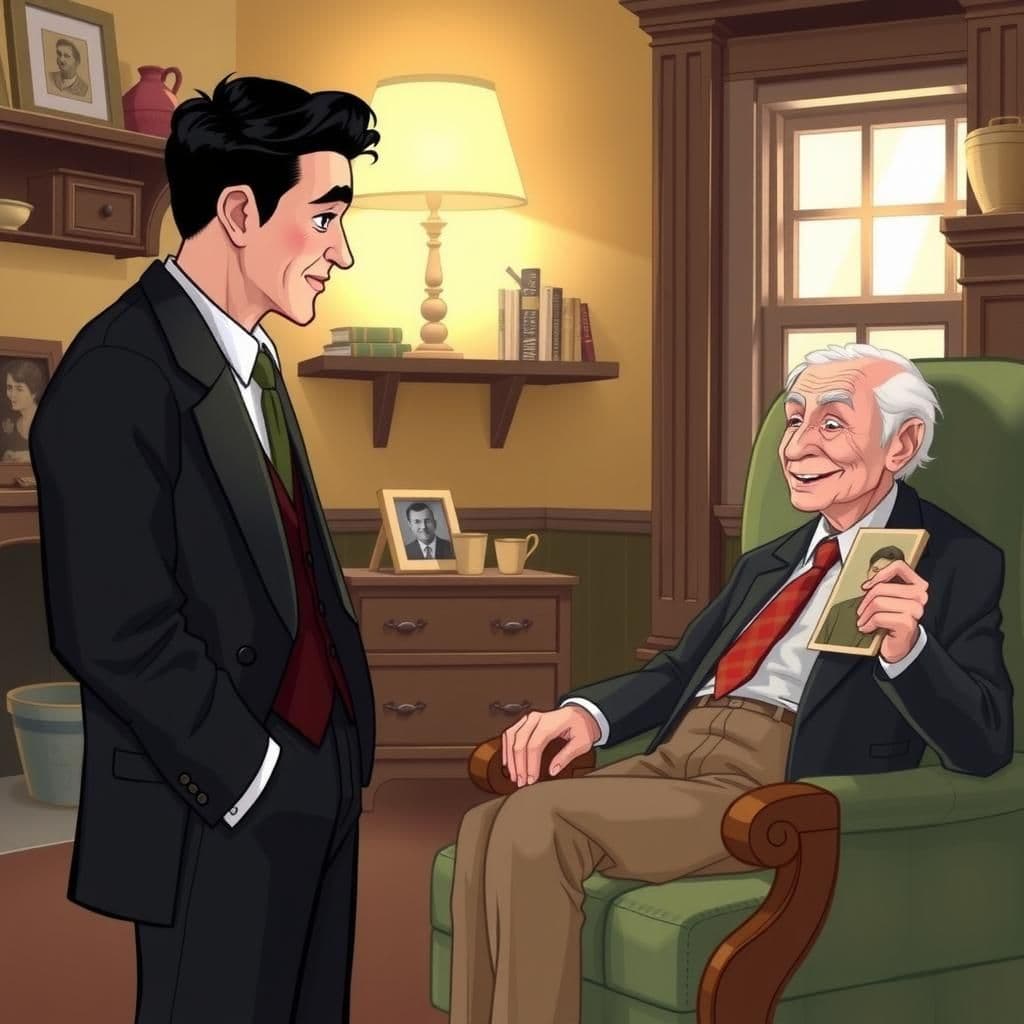
In "The Dutiful Son," a millionaire unexpectedly visits his father at an almshouse, surprising a neighbor who doubted his commitment. The millionaire feels a moral obligation to visit, believing that if their roles were reversed, his father would do the same, and reveals he also needs his father's signature for a life insurance policy. This story serves as a quick moral story, highlighting themes of duty and familial responsibility, making it a valuable lesson for students.
family duty
pride
Millionaire
Father

The Ass Carrying the Image
In this life-changing story with a moral, an ass, proud and stubborn, mistakenly believes the crowd is admiring him as they bow before a wooden image he carries. Refusing to move until his driver chastises him, the tale highlights the folly of taking credit for the achievements and reverence due to others, making it a compelling quick read story with moral lessons. This creative moral story illustrates the importance of humility and recognizing the true sources of admiration.
pride
humility
Ass
Driver
Other names for this story
"Echoes of Folly", "The Unblotted Escutcheon", "Mortification in Legislation", "Whispers of Atrophy", "The Orator's Fall", "Scorn and Silence", "Legislative Lament", "Blackened Pride"
Did You Know?
This story satirizes the disconnect between political rhetoric and reality, highlighting how pride in one's reputation can be easily undermined by the truth, leading to the downfall of both the speaker and their idealized image. The absurdity of the situation underscores the theme of self-deception in politics, where appearances often mask deeper flaws.
Subscribe to Daily Stories
Get a new moral story in your inbox every day.