Loading...
A Needful War
folktale
2 min read
0 comments
0:000:00
Story Summary
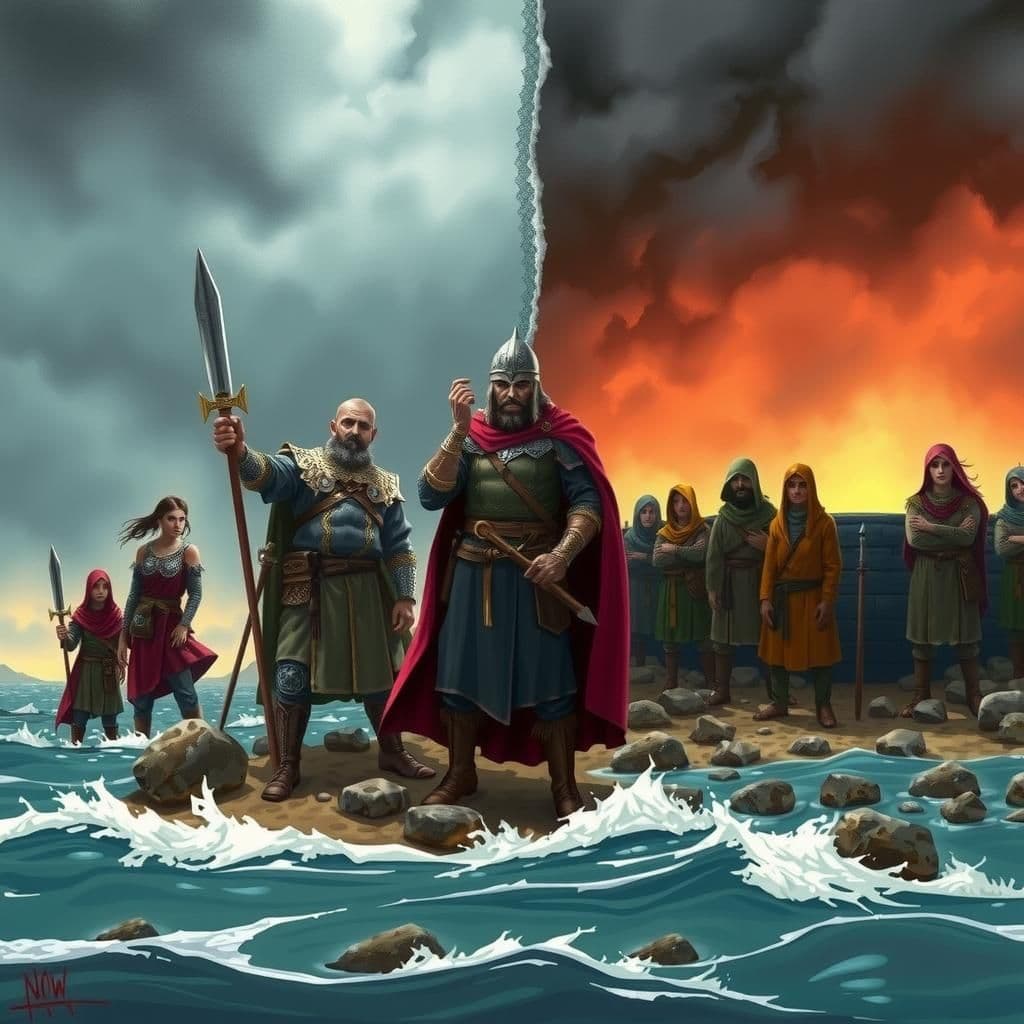
In "A Needful War," a thought-provoking moral story, the deep-seated antipathy between the people of Madagonia and Novakatka erupts when Madagonians attack a Novakatkan vessel, resulting in fatalities and injuries. Refusing to apologize, Madagonia faces a devastating war that teaches lessons from moral stories about the consequences of hatred, ultimately leading to significant casualties and a lasting animosity that endangers Novakatkans living in Madagonia thereafter.
Click to reveal the moral of the story
The moral of the story is that harboring hatred and engaging in violence can lead to devastating consequences for all involved, perpetuating a cycle of suffering and insecurity.
Historical Context
The story of Madagonia and Novakatka reflects the broader themes of conflict and rivalry found in many historical narratives, often rooted in territorial disputes, cultural misunderstandings, or trade competition. Such tales echo the longstanding animosities seen in ancient civilizations, reminiscent of the feuds between city-states in Mesopotamia or the conflicts between neighboring kingdoms in medieval Europe. This narrative may draw on retellings of classic works like Homer’s "Iliad," where the consequences of betrayal and warfare lead to lasting enmity, illustrating the cyclical nature of violence in human history.
Our Editors Opinion
This story reflects the destructive cycle of hatred and revenge that can escalate conflict, highlighting the importance of diplomacy and understanding in modern life. In a real-life scenario, two neighboring countries might experience tension over a border dispute, leading to retaliatory actions that escalate into widespread violence, ultimately harming innocent civilians and deepening animosities for generations.
You May Also Like

The Gamecocks and the Partridge
In this fable story with moral, a man introduces a tame Partridge to his two aggressive Gamecocks, who initially distress the newcomer with their hostility. However, upon witnessing the Gamecocks fighting each other, the Partridge realizes that their aggression is not personal, leading to a valuable lesson about not taking others' actions to heart. This short moral story highlights the importance of understanding that conflicts often stem from nature rather than individual intent.
Conflict
Acceptance
Man
Gamecocks
The Ass and His Shadow
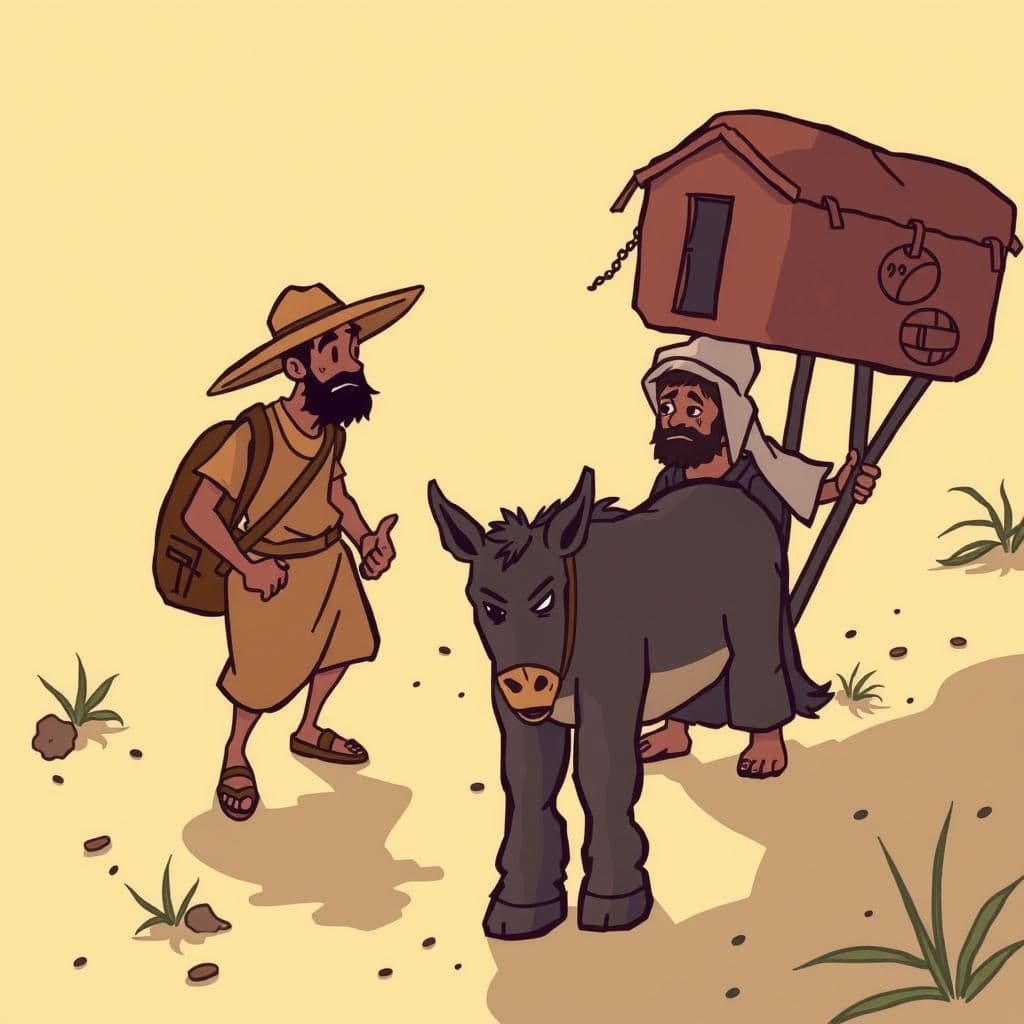
In the simple short story "The Ass and His Shadow," a traveler hires an ass for transportation and seeks refuge from the intense heat under its shadow. A dispute ensues between the traveler and the ass's owner over who has the right to the shadow, escalating to a physical fight, during which the ass gallops away. This famous fable with moral illustrates that in quarreling over trivial matters, we often lose what is truly important, making it one of the best moral stories suitable for short bedtime stories with moral lessons.
Greed
Conflict
Traveler
Ass
The Cat and the Cock
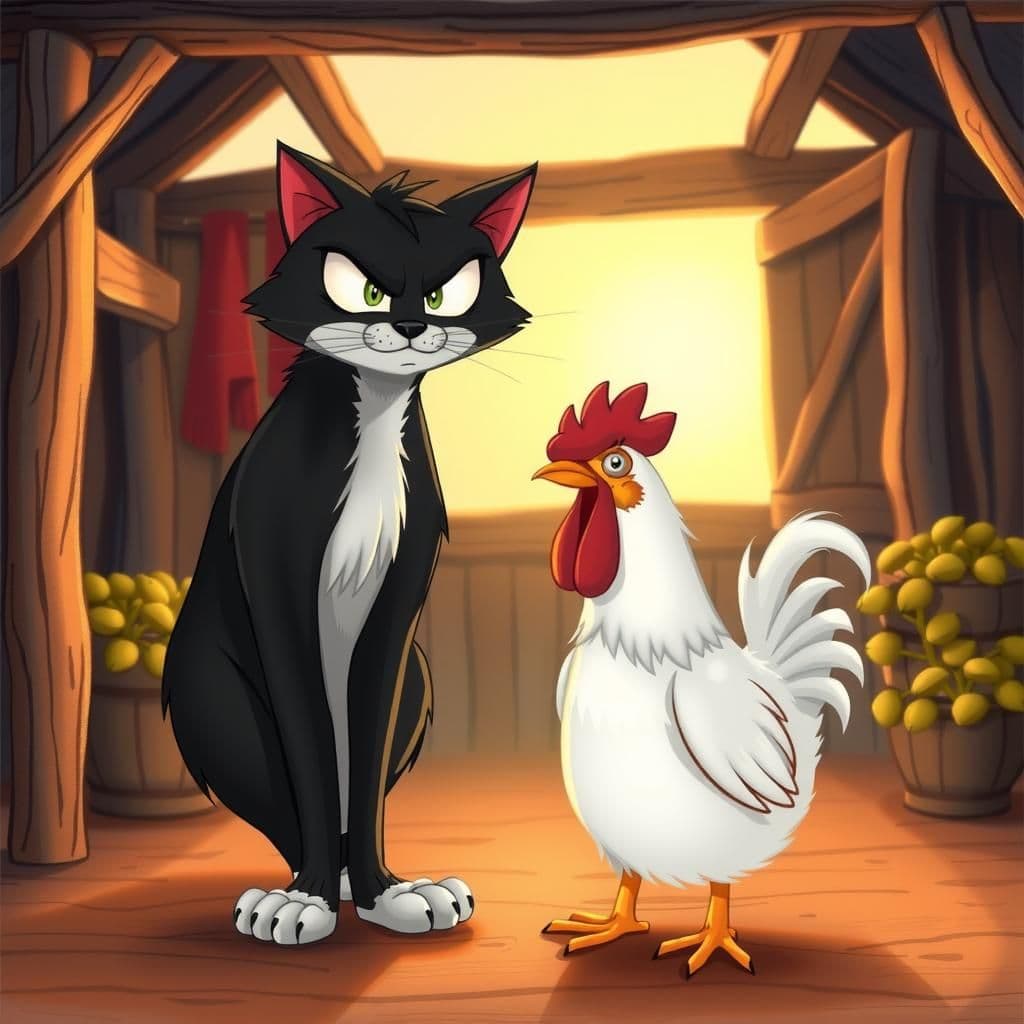
In "The Cat and the Cock," a Cat captures a Cock and seeks a justification for eating him, accusing the Cock of disturbing men with his nighttime crowing. Despite the Cock's defense that his crowing helps men wake for their labors, the Cat dismisses his pleas, illustrating a big moral story about the disregard of reason in the face of predation. This short story with moral highlights the consequences of selfishness and the importance of understanding intentions in life-changing stories.
deception
survival
Cat
Cock
Other names for this story
"War of Reckoning", "Clash of Nations", "Blood Feud", "Madagonia's Reckoning", "Novakatka's Wrath", "The Cost of Honor", "Vengeance Unleashed", "Strife in Madagonia"
Did You Know?
This story reflects the cyclical nature of violence and revenge, illustrating how initial animosity can escalate into widespread conflict, ultimately leading to lasting consequences for both communities involved. The tragic outcome emphasizes the futility of vengeance, as the defeated Madagonians turn their anger toward the remaining Novakatkans, perpetuating a cycle of hatred and insecurity.
Subscribe to Daily Stories
Get a new moral story in your inbox every day.