Two Kings

Story Summary
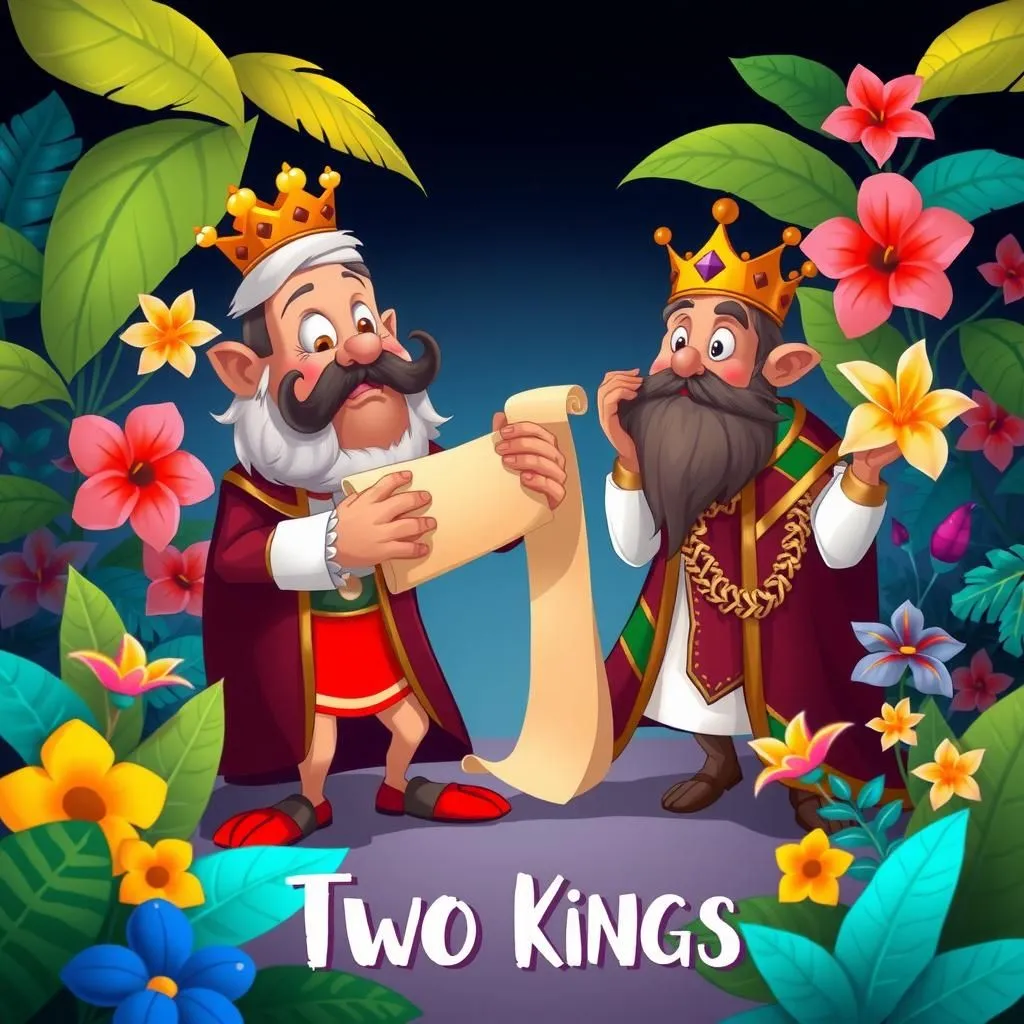
In the short moral story "Two Kings," the King of Madagao, embroiled in a dispute with the King of Bornegascar, demands the recall of his rival's Minister. Faced with an enraged refusal and the threat to withdraw the Minister instead, the terrified King of Madagao hastily complies, only to comically trip and fall, humorously violating the Third Commandment. This tale, rooted in folklore, serves as a reminder of the consequences of pride and hasty decisions in well-known moral stories.
Click to reveal the moral of the story
The story illustrates that pride and stubbornness can lead to foolish decisions and unintended consequences.
Historical Context
The story reflects the rich tradition of fables and parables found in various cultures, particularly within African and Indian folklore, where kings and rulers often engage in humorous or absurd disputes that reveal deeper truths about human nature and governance. Its themes resonate with the moral lessons conveyed in Aesop's Fables and the Panchatantra, underscoring the folly of pride and the consequences of hasty actions. The mention of the "Third Commandment" adds a layer of moral and religious context, suggesting a blending of cultural narratives that critique authority and highlight the absurdities of political conflict.
Our Editors Opinion
This story illustrates the folly of making unreasonable demands and the potential consequences of pride and escalation in conflict. In modern life, this could reflect a workplace scenario where a manager insists on unrealistic project changes from a team member, leading to a breakdown in communication and productivity, ultimately causing the manager to lose valuable talent and trust.
You May Also Like

The Hen and the Golden Eggs
In this wisdom-packed moral story, a cottager and his wife, driven by greed, decide to kill their Hen that laid a golden egg every day, believing it must contain a treasure inside. However, they learn a valuable lesson when they discover the Hen was just like their other hens, ultimately depriving themselves of their daily wealth. This unique moral story highlights the dangers of impatience and greed, offering impactful lessons learned from stories that entertain while teaching.

The Wolf and the Babe
In the short story "The Wolf and the Babe," a famishing wolf eavesdrops on a mother threatening to toss her child out the window to silence him, hoping for a chance to feast. However, as the day passes, it is the father who returns home and discards both the mother and child instead. This engaging moral tale highlights the unexpected twists of fate and the simple lessons from stories about the consequences of neglect and cruelty.

The Thirsty Pigeon
In "The Thirsty Pigeon," a moral story that serves as a cautionary tale for children, a pigeon, desperate for water, mistakenly believes a painted goblet on a signboard is real and crashes into it, injuring herself. Captured by a bystander, her plight illustrates the importance of discretion over impulsive actions, making it a valuable lesson found in motivational stories with moral for class 7.
Other names for this story
Royal Rivalry, Kings at Odds, The Disputed Throne, Clash of Monarchs, Crown Conflict, The Minister's Dilemma, Regal Standoff, Kingdoms in Turmoil
Did You Know?
This story humorously illustrates the absurdity of diplomatic disputes, where demands and threats can escalate to ridiculous levels, leading to unintended consequences that highlight the folly of pride and misunderstanding in communication.
Subscribe to Daily Stories
Get a new moral story in your inbox every day.