
The One-Eyed Doe

Story Summary
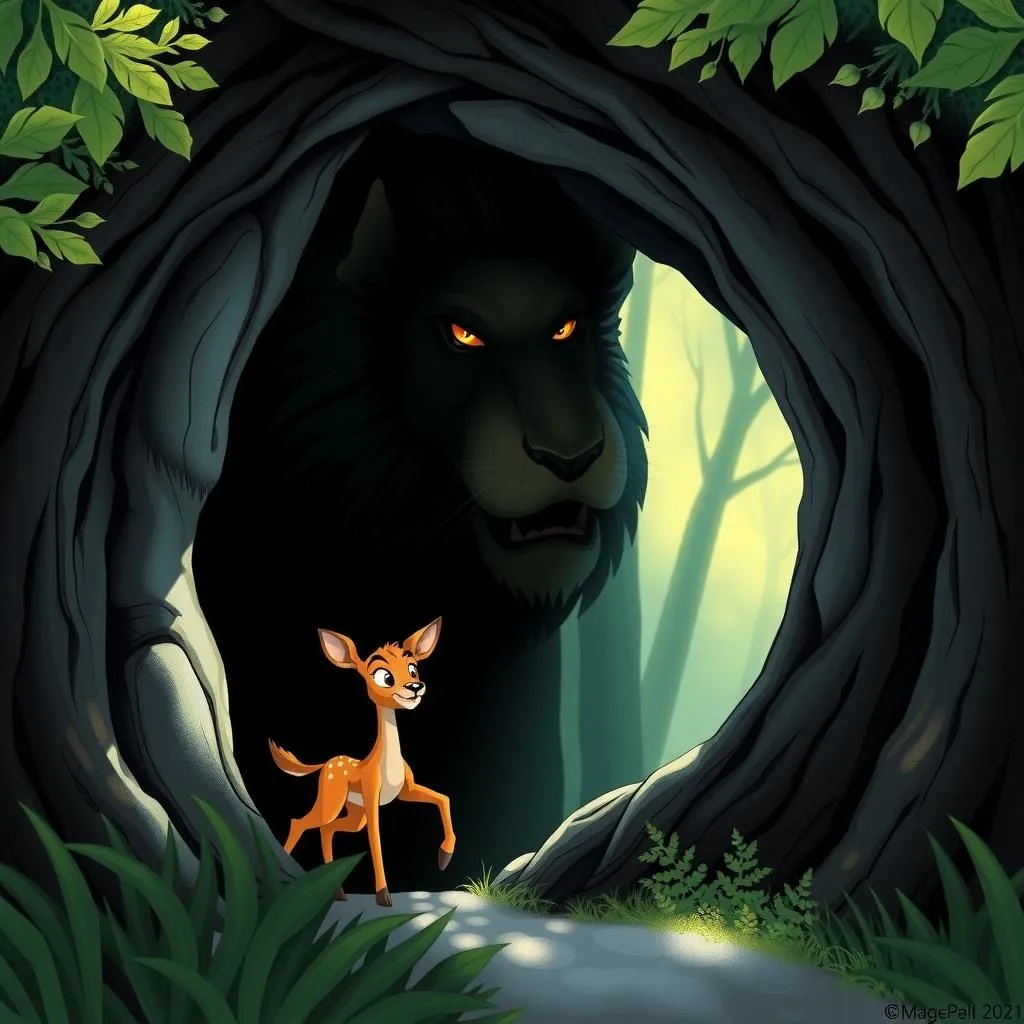
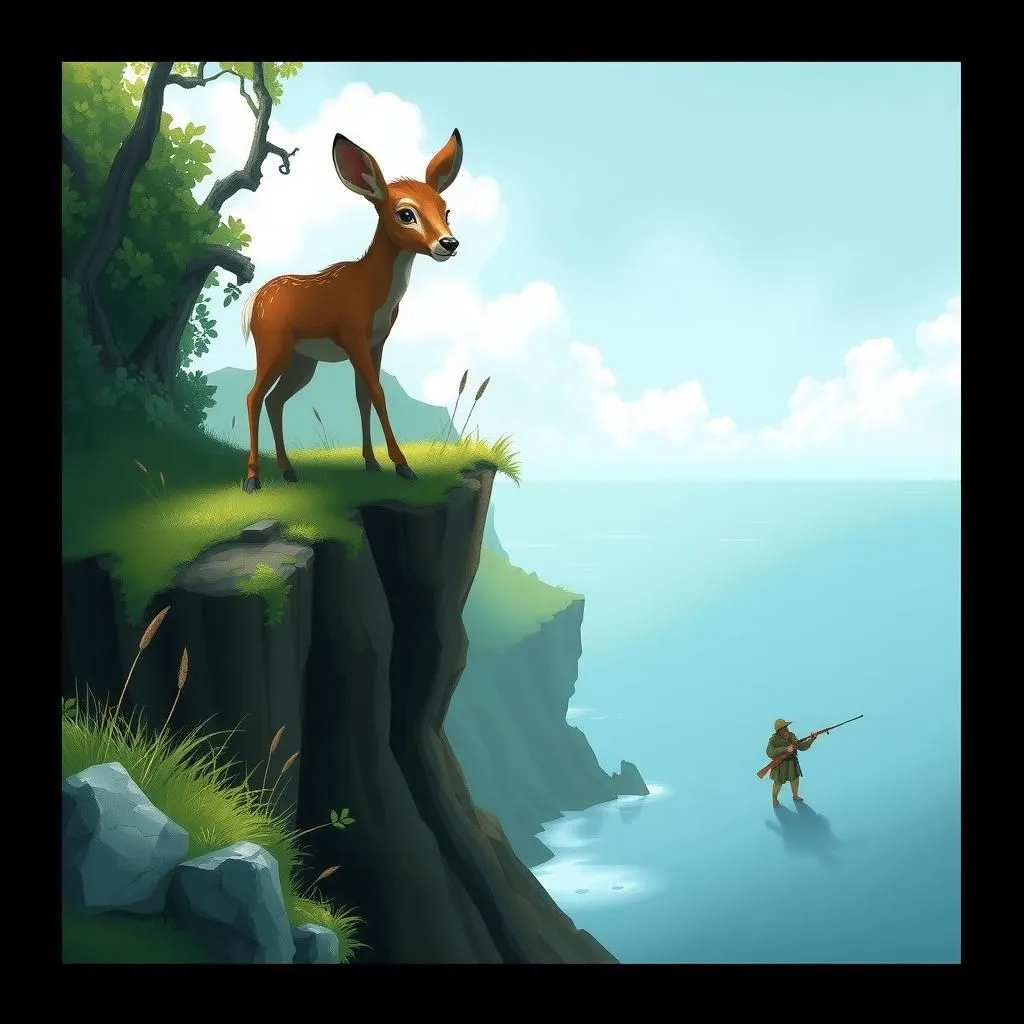
In this poignant short moral story, a one-eyed doe cleverly avoids land hunters by feeding on a high cliff, using her good eye to stay vigilant. However, her vulnerability is ultimately discovered, and she is shot from the sea, leading to the realization that one cannot escape their fate. This tale serves as a powerful reminder in the realm of bedtime moral stories, illustrating the inevitability of fate in our lives.
Click to reveal the moral of the story
The moral of the story is that one cannot evade their fate, no matter how carefully they try to protect themselves.
Historical Context
This fable, reminiscent of Aesop's storytelling tradition, conveys themes of vulnerability, awareness, and the inevitability of fate. Aesop's Fables, originating in ancient Greece, often feature animals that embody human traits, imparting moral lessons that reflect the complexities of life and human nature. The story illustrates how even wise precautions can be rendered ineffective by unforeseen circumstances, a common motif in both ancient and contemporary retellings.
Our Editors Opinion
This fable illustrates the inevitability of fate and the limitations of self-protection; no matter how we try to shield ourselves from danger, unforeseen threats can still arise. In modern life, this can be reflected in a scenario where an individual feels secure in their job due to strong performance and a good reputation, only to be unexpectedly laid off due to company restructuring—demonstrating that sometimes, despite our best efforts to control our circumstances, external factors can disrupt our lives.
You May Also Like

The Cat and the Cock
In "The Cat and the Cock," a Cat captures a Cock and seeks a justification for eating him, accusing the Cock of disturbing men with his nighttime crowing. Despite the Cock's defense that his crowing helps men wake for their labors, the Cat dismisses his pleas, illustrating a big moral story about the disregard of reason in the face of predation. This short story with moral highlights the consequences of selfishness and the importance of understanding intentions in life-changing stories.

The Fogy and the Sheik
In "The Fogy and the Sheik," a Fogy living near a caravan route discovers a Sheik boring for water, believing it will create an oasis that attracts caravans. The Sheik, however, warns that this could provide the Fogy with the opportunity to steal from the caravans. Ultimately, they come to a mutual understanding, exemplifying the simple lessons from stories that highlight the wisdom in recognizing different perspectives, a theme often found in well-known moral stories.

The Mother and the Wolf
In this moral-based storytelling tale, a famished wolf waits outside a cottage after hearing a mother threaten to throw her child to him, only to later hear her reassuring the child that they would kill the wolf if he approached. Disappointed and empty-handed, the wolf returns home to explain to Mistress Wolf that he was misled by the woman's words, highlighting the importance of discerning truth in meaningful stories with moral lessons. This best moral story serves as a cautionary reminder for class 7 students about the dangers of taking words at face value.
Other names for this story
The Blindside Doe, Fate of the One-Eyed Doe, The Cliffside Doe, Eyes of Fate, The Hunter's Trick, The Lost Eye, The Sea's Secret, A Doe's Last Stand
Did You Know?
This fable illustrates the theme of vulnerability and the inevitability of fate, highlighting how one's efforts to evade danger can sometimes lead to a more perilous situation; despite her cleverness in avoiding land-based hunters, the Doe's single blind spot ultimately becomes her downfall.
Subscribe to Daily Stories
Get a new moral story in your inbox every day.