The Frog and the Ox

Story Summary
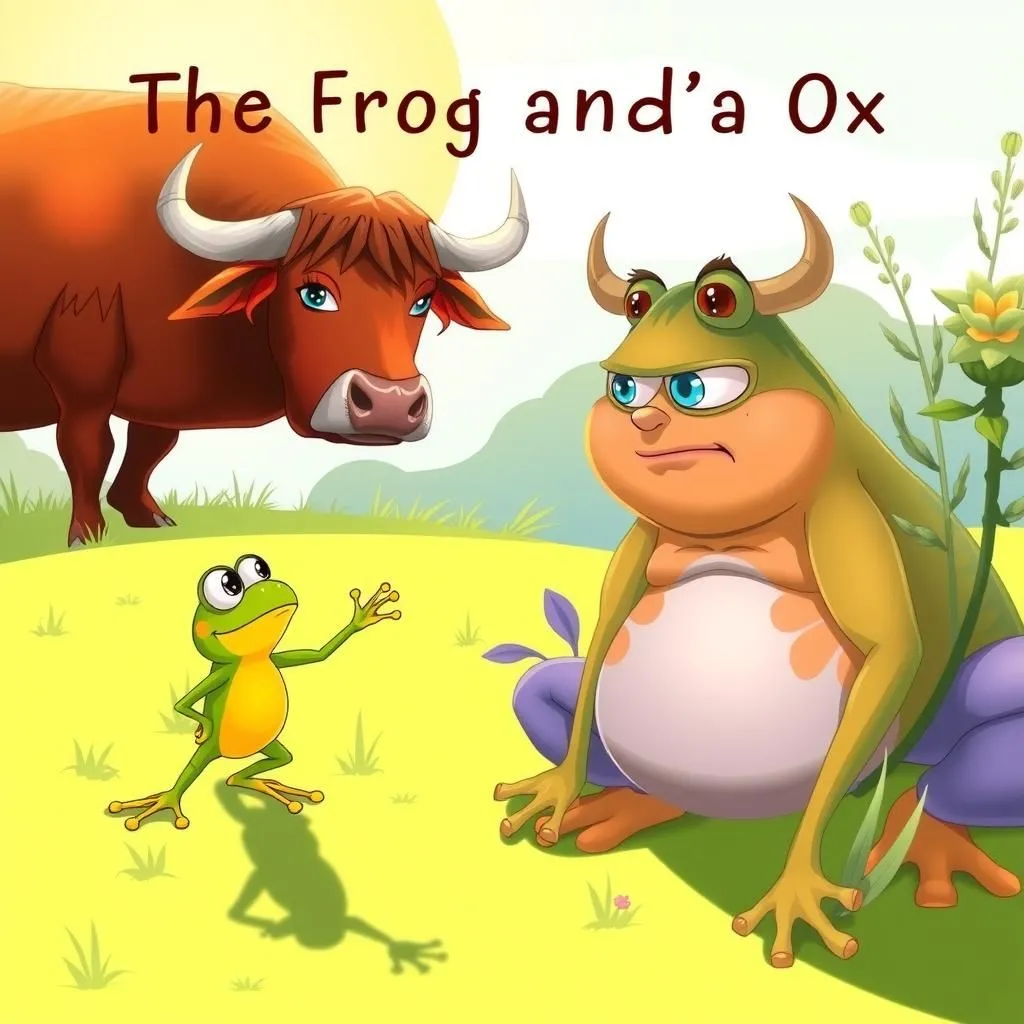
In the fable "The Frog and the Ox," a young Frog excitedly describes a giant creature it saw, which the old Frog dismisses as just a farmer's Ox. Determined to outsize the Ox, the old Frog inflates himself repeatedly, ultimately bursting in a tragic display of self-conceit. This cautionary tale serves as a popular moral story, illustrating the dangers of trying to be something one is not, making it a quick read that offers life-changing lessons.
Click to reveal the moral of the story
The moral of the story is that excessive pride and self-conceit can lead to one's downfall.
Historical Context
This story, often attributed to Aesop, is a classic fable from ancient Greece that imparts moral lessons through anthropomorphized animals. The tale exemplifies themes of hubris and the dangers of overestimating oneself, common in many cultures' folklore, and is retold in various forms across traditions, emphasizing the universal relevance of its moral. Aesop's fables have been passed down through generations, often serving as educational tools to convey ethical messages to both children and adults.
Our Editors Opinion
This fable highlights the dangers of self-conceit and the importance of recognizing one's limitations, a lesson that resonates in today's world, where social media can amplify the pressure to portray an inflated sense of self. For instance, a young professional might overestimate their abilities while vying for a promotion, stretching themselves too thin in an attempt to impress their boss, ultimately leading to burnout and failure instead of the desired success.
You May Also Like

The Ox and the Frog
In the fable "The Ox and the Frog," a mother frog learns that one of her young has been crushed by an ox. Determined to match the ox's size, she attempts to puff herself up, but her son wisely warns her that she would burst before ever achieving such size. This story serves as an inspirational short story with moral, reminding readers about the dangers of vanity and the importance of accepting one's limits.

The Literary Astronomer
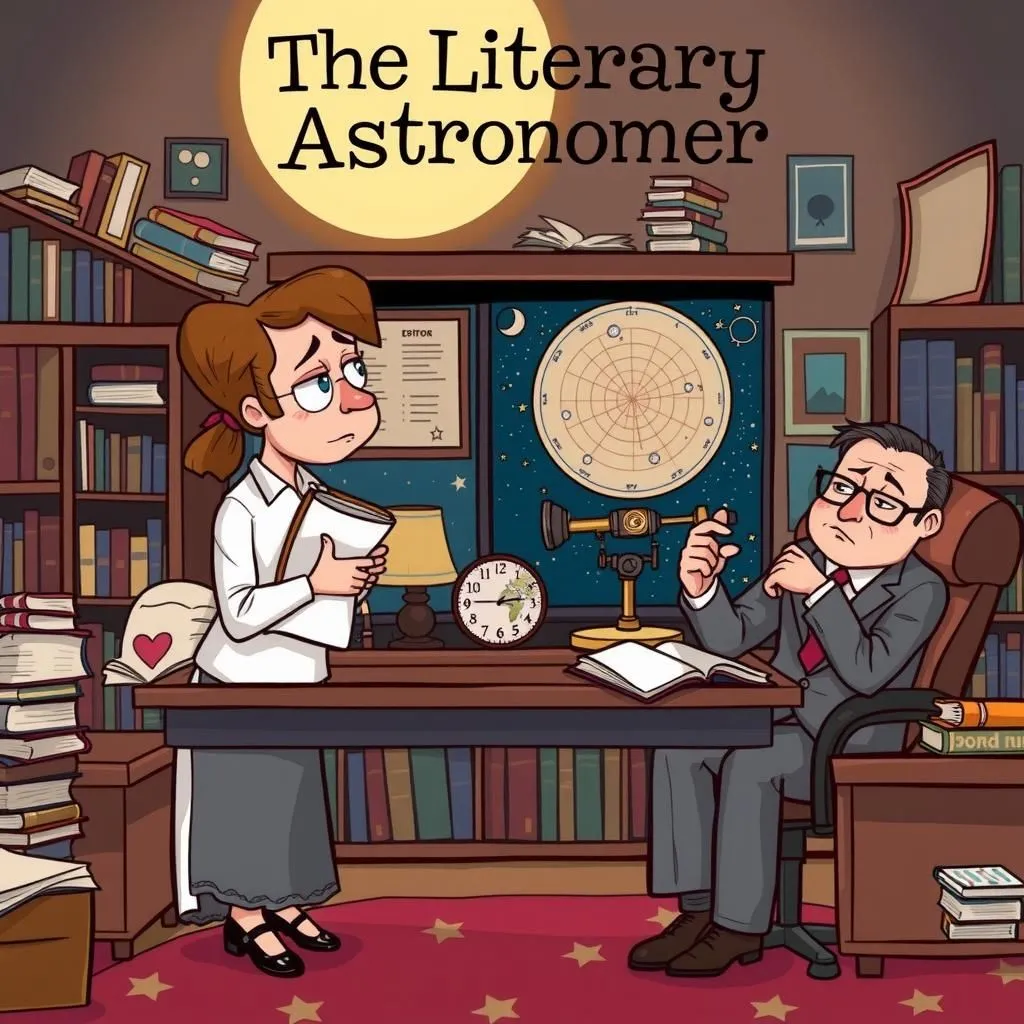
In "The Literary Astronomer," a Director of an Observatory, claiming to have discovered the moon, approaches an Editor to sell his account for $160, only to be told the payment is his responsibility. This thought-provoking moral story reveals the unexpected nature of transactions and the importance of self-correction, as the embarrassed Astronomer leaves to revise his manuscript after realizing he overlooked a crucial detail. This captivating tale serves as an inspirational short story with a moral about responsibility and humility, making it a valuable read for students.

The Writer and the Tramps
In "The Writer and the Tramps," a story that embodies the spirit of heartwarming moral stories, an Ambitious Writer arrogantly dismisses a Tramp's question about his shirt, claiming it symbolizes the genius's unconcern. The Tramp, in a simple yet profound act, carves "John Gump, Champion Genius" into a tree, delivering a life-changing lesson about the contrast between true talent and superficial arrogance. This moral short story reminds us that true genius is often humble and unassuming.
Related Collections
Other names for this story
Frog's Folly, The Inflated Frog, Size Matters, The Overambitious Frog, The Frog's Hubris, Swollen Pride, Frog vs. Ox, The Bursting Ambition
Did You Know?
This fable illustrates the dangers of pride and the folly of trying to impress others beyond one's natural limits, as the old Frog's desire to appear larger ultimately leads to his demise. It serves as a cautionary tale about the perils of self-conceit and the importance of recognizing one's true abilities.
Subscribe to Daily Stories
Get a new moral story in your inbox every day.