Story Summary
Discover The Yellow Emperor's Dream, a classic Taoist tale where a legendary ruler finds the secret to a perfect society in a vision of a mythical kingdom.
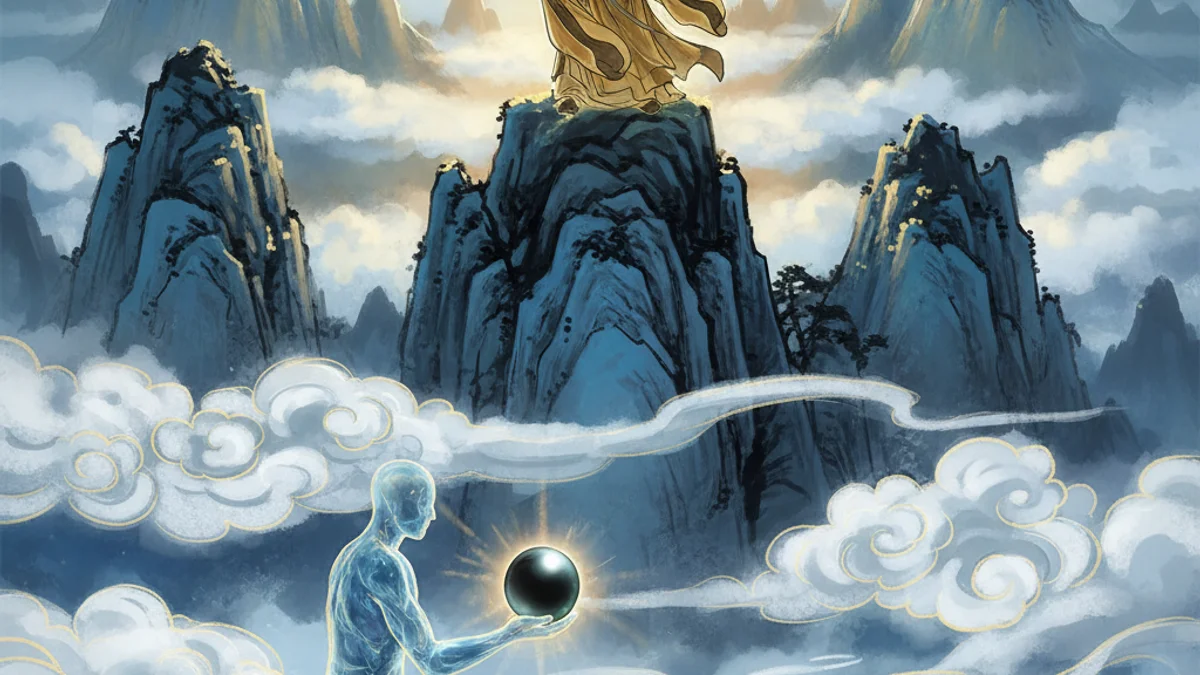
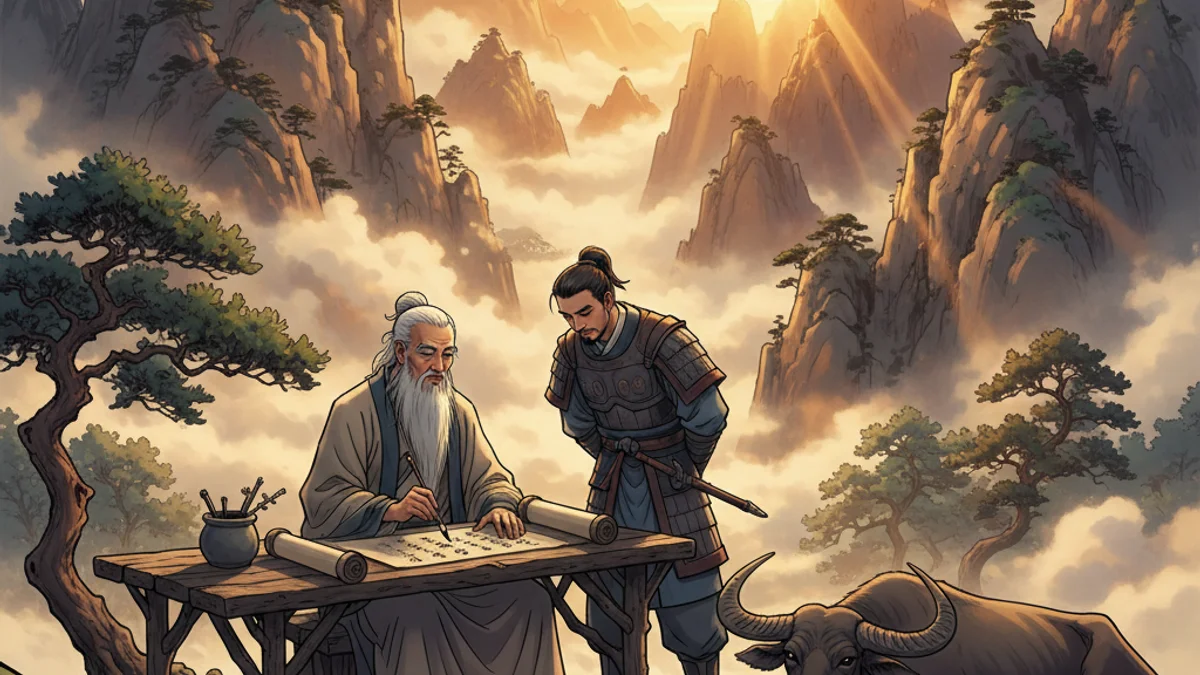
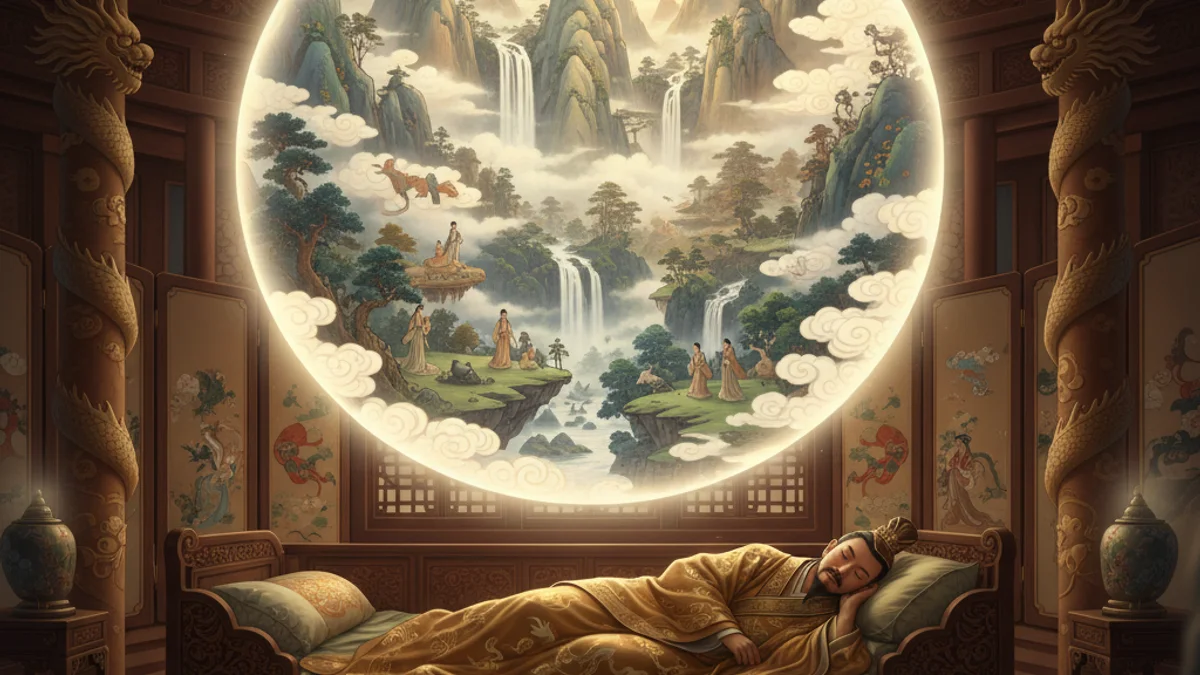
After ruling for fifteen years, the Yellow Emperor, Huangdi, grew weary of the burdens of state. Despite his efforts to govern through clever laws and strict order, the world remained turbulent. Seeking clarity, he retired to a small hut and fasted for three months to purge his mind of worldly desires. One afternoon, he fell into a deep sleep and dreamt of the distant kingdom of Hua-hsu. In this land, there were no leaders and no laws; the people simply followed their natural instincts, living without desire, fear, or attachment. They could walk through water without drowning and through fire without burning, for they were in perfect harmony with the universe. Upon waking, the Emperor realized that harmony cannot be manufactured through human force. He spent the remainder of his reign practicing non-action and simplicity. By letting go of his need for control, his empire naturally transformed into a mirror of the peaceful kingdom in his dream.
The Moral
True peace and order are achieved not through force or complex laws, but by aligning oneself with the natural rhythm of the Tao.
“The Way is not found in the noise of the world, but in the silence of a heart at rest.”
Fun Fact
The Yellow Emperor is traditionally credited with the invention of the compass, the calendar, and even an early form of soccer called Cuju.
Frequently Asked Questions
What is the moral of The Yellow Emperor's Dream?
The moral is that true harmony comes from following the Tao and the principle of Wu Wei, or non-action. It teaches that excessive control and rigid laws often disrupt the natural order of the world.
Who was the Yellow Emperor in Chinese mythology?
Huangdi, or the Yellow Emperor, is a legendary sovereign and cultural hero considered the ancestor of all Han Chinese. He is credited with many inventions and is a central figure in both Taoism and Chinese folk religion.
What does the kingdom of Hua-hsu represent?
Hua-hsu represents the Taoist ideal of a primitive, utopian society. It is a place where people live according to their true nature, free from the artificial constructs of civilization and ego.
How did the dream change the Emperor's way of ruling?
After the dream, the Emperor stopped trying to micromanage his subjects with force and laws. Instead, he cultivated his own inner peace, allowing the empire to find its own natural balance and prosperity.
What is the significance of the people walking through fire and water?
In Taoist philosophy, this imagery symbolizes being 'one with the Tao.' When a person is perfectly aligned with nature, they are no longer harmed by external elements because they have no resistance to the world.
Is this story found in a specific Taoist text?
Yes, this story is famously recorded in the 'Liezi,' one of the three most important texts in Taoism, which contains many parables about spontaneity and spiritual freedom.